Surgery is always a challenge — both for the pet and the owner. Worries, questions, and fear of the unknown are absolutely natural. But here’s the good news: a lot depends on proper preparation. At Shunn u Katun, we’re always there to guide you through this path.
Talking to the vet — the first step to peace of mind
Every case is unique. When owners come to us, we always start with a conversation. Tell us if your pet has ever had heart problems, allergies, or has recently taken any medication. Even small details matter because they can affect the choice of anesthesia and drugs.
Tests and check-ups
Before surgery we often recommend:
- General and biochemical blood tests — to check how the liver and kidneys are functioning.
- ECG and ultrasound — especially important for older pets or breeds prone to heart issues.
- Sometimes X-rays — to rule out hidden problems.
Fasting before surgery — why it matters
Many owners are surprised when we say their pet must fast. The reason is simple: anesthesia relaxes the body, and a full stomach may cause vomiting, which can be life-threatening.
- Cats should not be fed 6–8 hours before surgery.
- Dogs — 12–16 hours before surgery.
- Water should be stopped about 2–4 hours before the procedure.
The only exception is very young animals under 2 months old, and in those cases we give special instructions individually.
At home before the visit
Brush your pet and, if needed, gently clean them. A clean coat around the surgical area means lower risk of infection.
Prepare a carrier with a soft blanket or pad. In winter, add a hot water bottle or heating pad. Familiar smells will help your pet stay calmer.
At the clinic
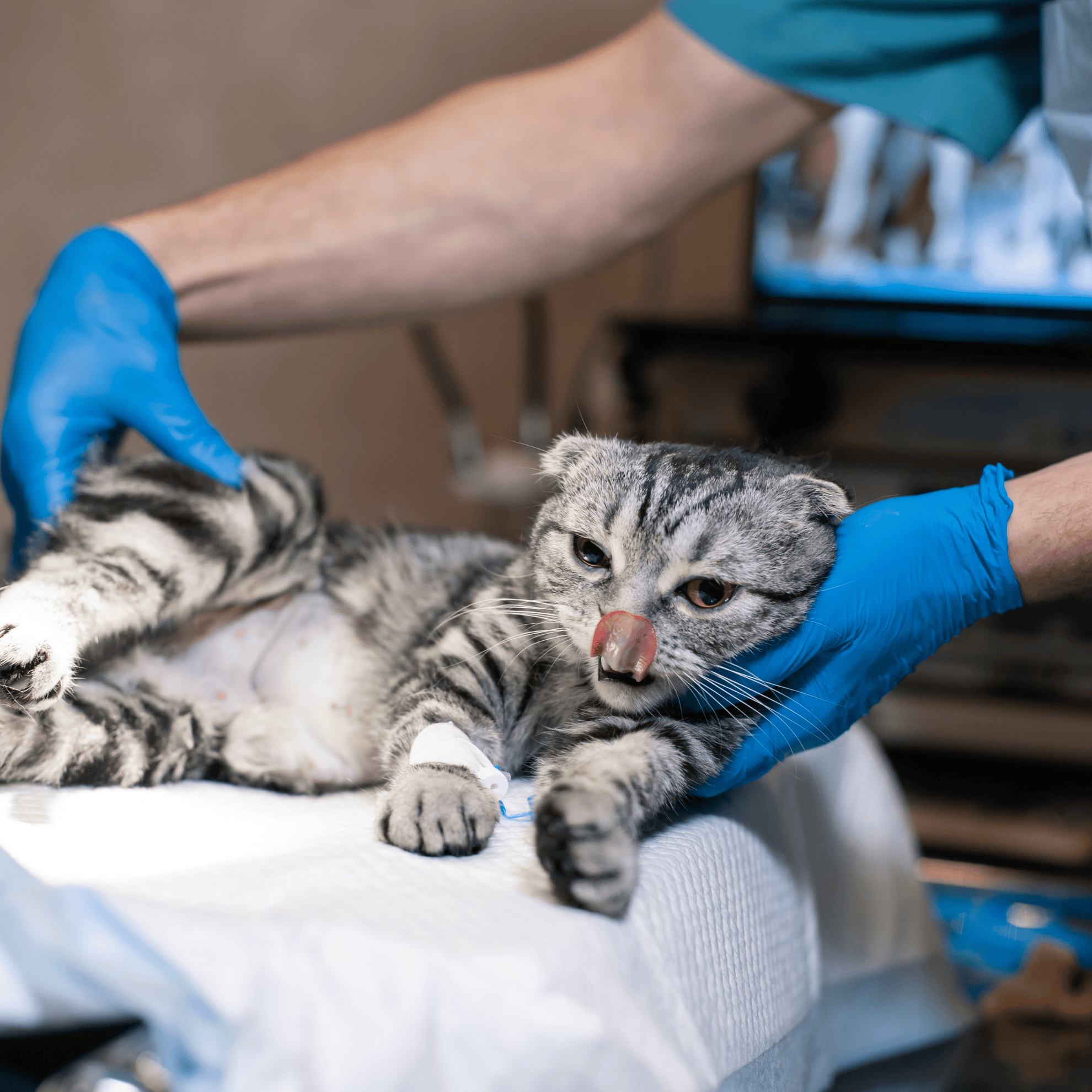
Before surgery we always check your pet again: weight, heart rate, temperature. Sometimes we place an IV drip to support the body. This is part of the standard preparation to make anesthesia as safe as possible.
After surgery — your care and our support
Your pet wakes up under our supervision, in warmth and safety. We monitor them until they are stable.
You will receive detailed instructions:
- how to care for the stitches,
- what medicines to give and when,
- when to come for a follow-up check.
During the first hours after anesthesia, pets may be sleepy or unsteady. This is normal. The most important things are warmth, water, and rest.
Preparing your pet for surgery is not just a list of rules — it’s an act of love and care. With the right preparation, your pet will recover more easily and quickly.
At Shunn u Katun, we’re by your side every step of the way — from the first call to the final stitch removal. Your peace of mind is our job, and your pet’s health is our top priority.