

What babesiosis does
Babesiosis, also known as piroplasmosis, is caused by protozoan parasites of the genus Babesia. They most often enter a dog's bloodstream through the bite of an infected tick, invade red blood cells, and multiply inside them. The loss of red blood cells causes anaemia and may damage the kidneys, liver, and other organs.
The tick may be long gone by the time a dog becomes unwell. Signs can begin days or weeks after infection. Tell the veterinarian about a recent trip outside the city or a tick you removed earlier, even if the bite site is no longer visible.
Signs you should not miss
Babesiosis can cause a fever, but a warm nose alone tells us very little. The dog's overall condition matters more. Warning signs include:
- marked lethargy, weakness, an unsteady gait, or reluctance to stand;
- loss of appetite, sometimes with vomiting;
- pale or yellowish gums and other mucous membranes;
- dark, reddish, or brown urine;
- rapid breathing, breathlessness, or a fast heartbeat.
These signs can also occur with other dangerous conditions. Watching at home cannot distinguish between them, and lost time can make babesiosis harder to treat. Call the clinic and describe what you see so the veterinarian can assess how urgently your dog needs to be examined.
How the diagnosis is confirmed
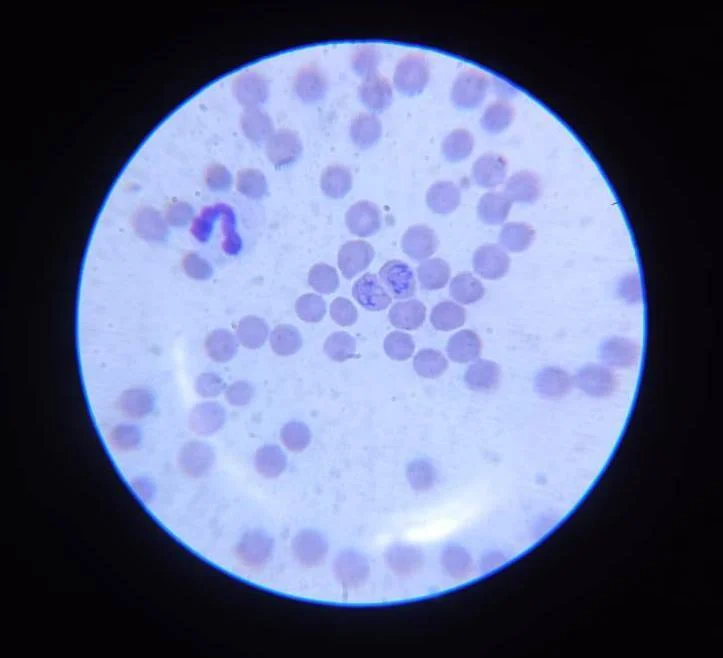
The veterinarian considers the clinical signs, physical examination, and test results together. A complete blood count helps assess anaemia and platelet numbers, while blood chemistry shows how the internal organs are functioning. Babesia organisms can sometimes be seen inside red blood cells on a stained blood smear. If only a few parasites are circulating, one negative smear is not enough to rule out infection, so the veterinarian may recommend PCR or repeat testing.
Why home treatment is dangerous
Treatment depends on the Babesia species and the dog's condition. The veterinarian chooses an appropriate antiparasitic medicine and monitors blood values. A severely ill dog may need hospital care, fluid support, and close monitoring of organ function.
Do not give a medicine “for piroplasmosis” just in case or repeat an old treatment plan without an examination. These medicines have contraindications and adverse effects, and several other diseases can cause similar signs. Follow-up blood tests are still needed after treatment, at the times recommended by the veterinarian.
Tick protection needs to be continuous
To reduce the risk of babesiosis, we very strongly recommend regular treatment with an appropriate tick-control product. The interval depends on the particular product, formulation, species, and weight of the animal. Follow the product instructions and veterinary advice rather than a general rule such as “once for the summer.”
Our clinic stocks Bravecto for dogs and cats in different weight ranges. We keep the price noticeably below the average retail price: AMD 12,000–16,000 for dogs and AMD 10,000–12,000 for cats. We will help choose the correct formulation and weight range for the individual pet. Do not switch between dog and cat formulations or estimate a divided dose yourself.
To avoid a gap in protection, record the product, treatment date, and next due date in the veterinary passport and set a reminder. After walks, still check the ears, neck, armpits, groin, and spaces between the toes. Preventive treatment greatly reduces risk, but it does not replace checking the coat.
If you find an attached tick
Remove it as soon as possible with fine-tipped tweezers or a purpose-made tick tool. Grip the tick close to the skin and pull steadily without jerking or crushing it. Wear gloves and wash your hands afterwards.
Write down the date and watch your dog more closely over the following weeks. Contact the clinic immediately if weakness, fever, loss of appetite, pale or yellow mucous membranes, dark urine, or breathing difficulty appears. Removing the tick does not replace an examination once the dog's condition has changed.



Comments
No comments yet.