
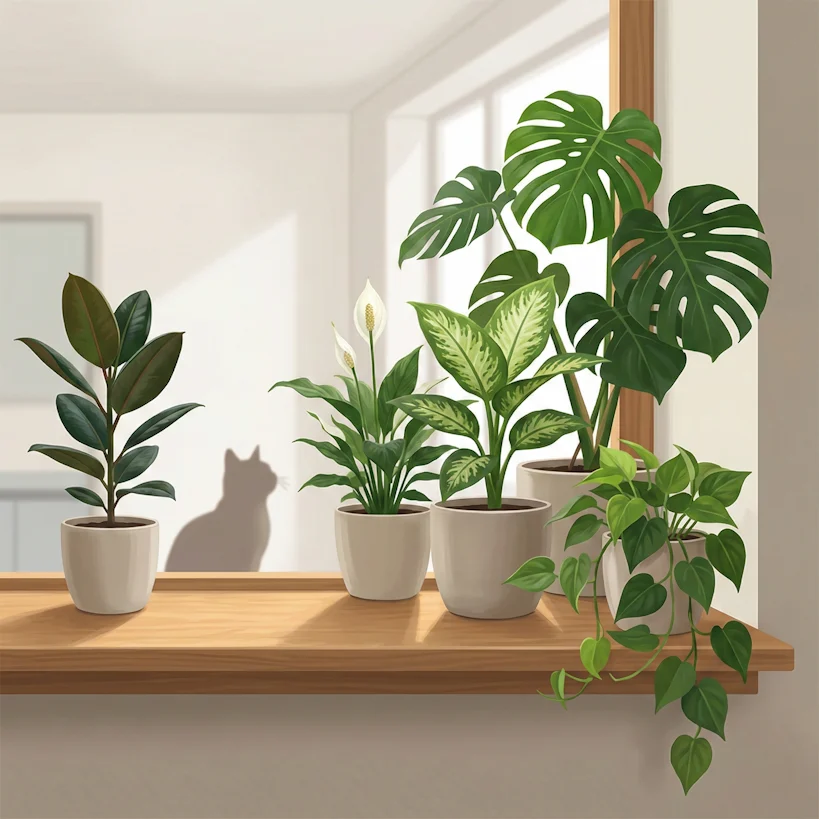
A beautiful bouquet deserves a place where you can enjoy it. If you have a cat or dog, first check which plants you are bringing home. Some cause pain and irritation in the mouth; others can damage the heart or kidneys. The risk depends on the species and how much your pet eats. Work through this list before your pet reaches the leaves. It is much less stressful than trying to identify a flower on the way to the clinic.
What to do if your pet chews a plant
- Remove the plant and any pieces so your pet cannot eat more. If you suspect lily exposure, stop your cat from licking pollen off their fur while you contact a vet.
- Photograph the whole plant, its leaves and its flowers. Keep any label with the plant's name. Note when the exposure happened, what your pet may have eaten and any signs you have noticed.
- Call a vet straight away and explain what happened. If you do not know the plant species, say so: your pet may still be at risk even without symptoms.
- Do not induce vomiting or give medicines or home remedies unless a vet tells you to. Do not force water into your pet's mouth.
Drooling, vomiting, refusing food, pain or swelling in the mouth, weakness and an unsteady walk need veterinary attention. If your pet is seriously unwell, do not delay the trip while you look for the plant's name or wait for a reply to a message.
Anthurium
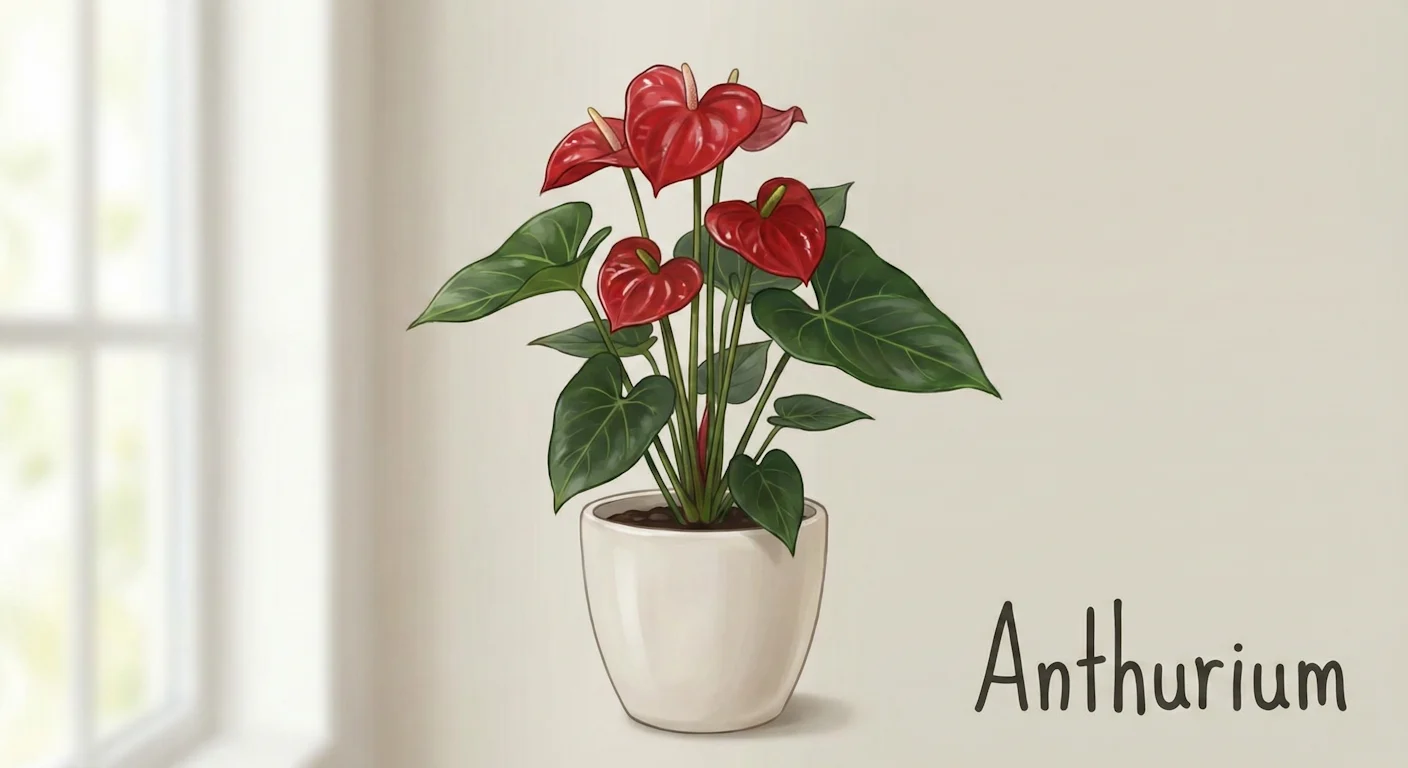
Anthurium tissues contain insoluble calcium oxalate crystals. Chewing releases these crystals, irritating the lips, tongue and mouth. Your pet may drool, paw at their face or refuse food. Vomiting is also possible.
Remove the plant and contact a vet. Trouble swallowing or breathing needs urgent help.
Dieffenbachia
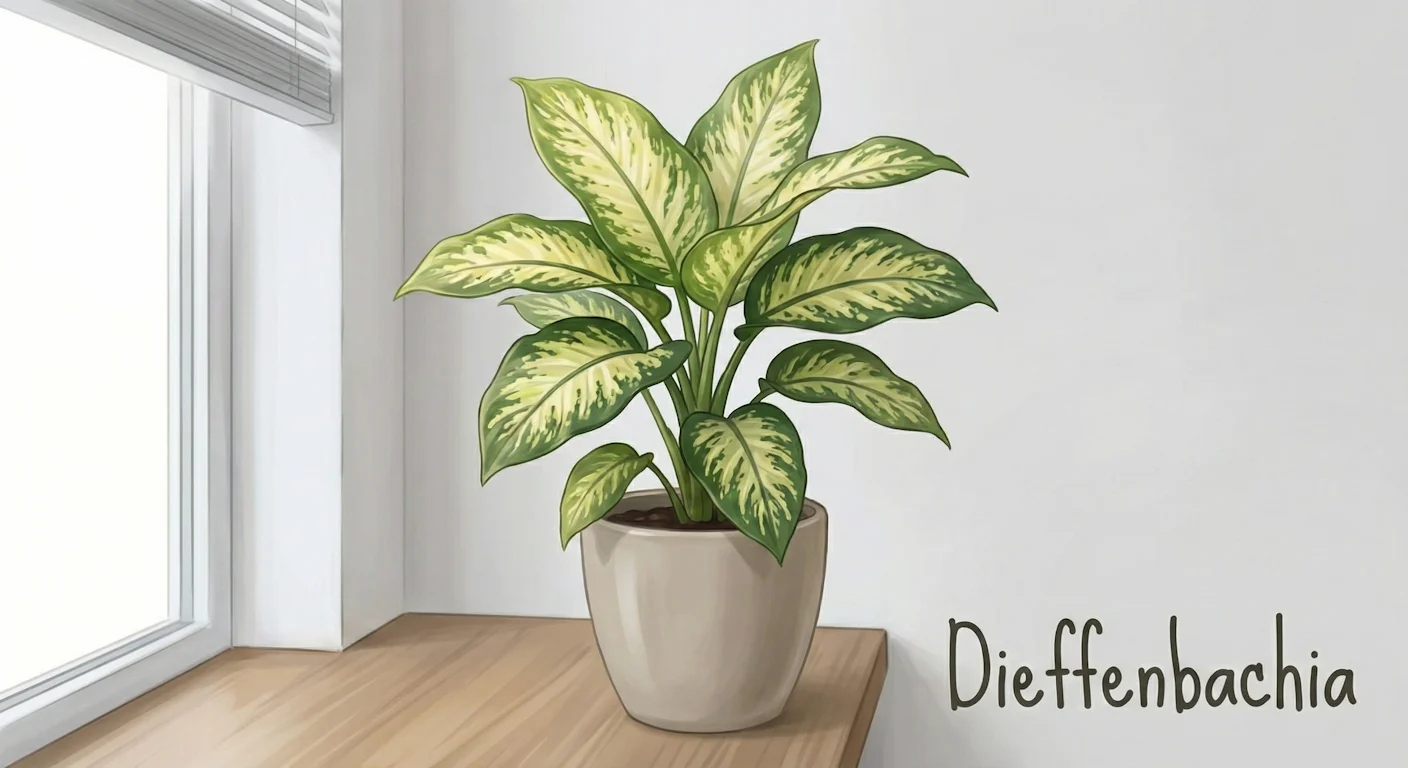
Calcium oxalate crystals cause painful irritation in the mouth. Signs may include heavy drooling, swollen lips and tongue, vomiting and difficulty swallowing. Severe swelling that interferes with breathing is rare, but needs immediate help.
Call a vet if your pet has chewed dieffenbachia. If swelling is getting worse or your pet has trouble breathing, go straight to a clinic.
Lilies and daylilies
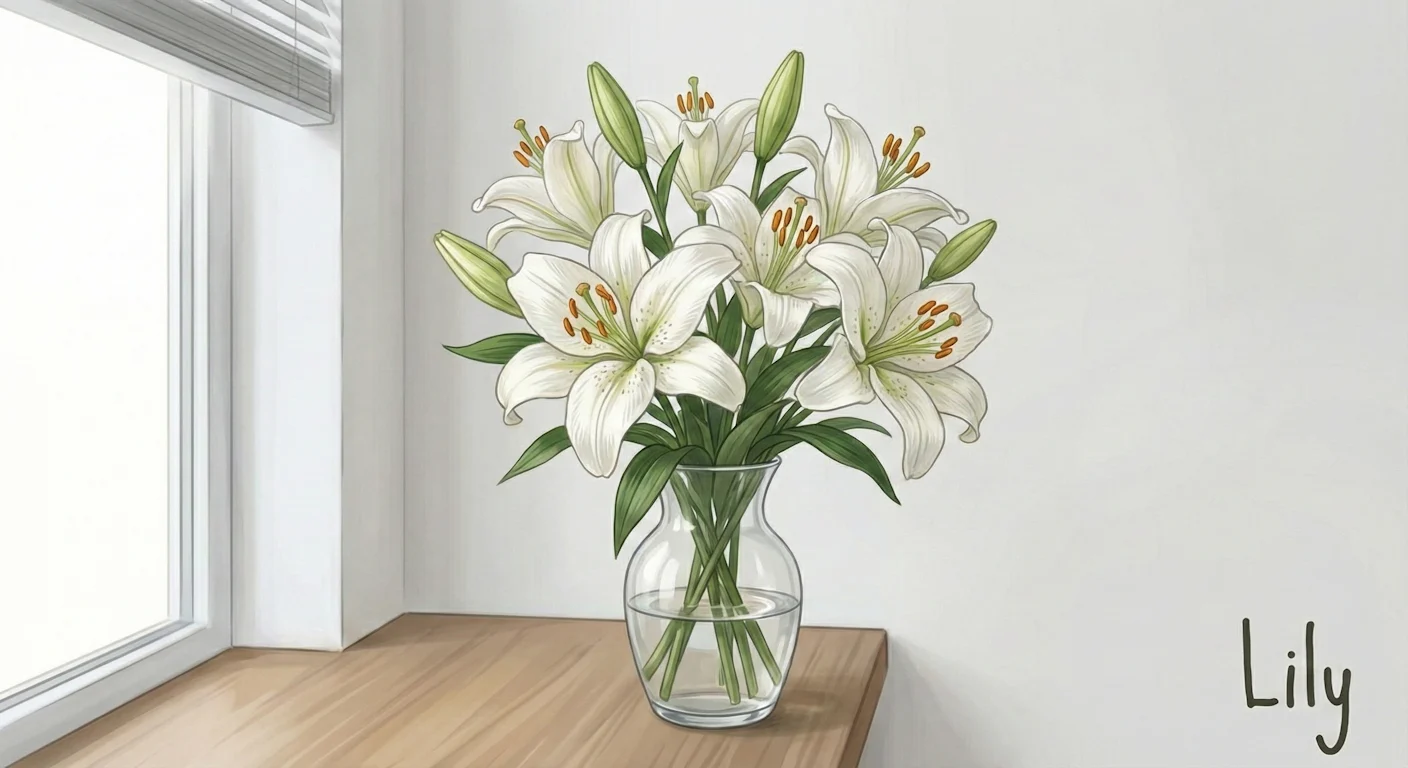
True lilies and daylilies are particularly dangerous to cats. Swallowing even a small amount of the plant or its pollen, or drinking water from the vase, can cause acute kidney failure. Pollen on a cat's fur is dangerous because the cat can swallow it while grooming.
Early signs may include vomiting, lethargy and loss of appetite. Changes in thirst and urination may follow. Do not wait for these signs: your cat needs help as soon as you suspect exposure.
In dogs, these lilies usually cause an upset stomach; the kidney damage seen in cats has not been reported. You should still speak to a vet if your dog eats the plant. Several different plants have "lily" in their name: peace lilies and calla lilies cause a different type of poisoning. If you are unsure of the species, show the vet a photograph or the plant's label.
Ficus
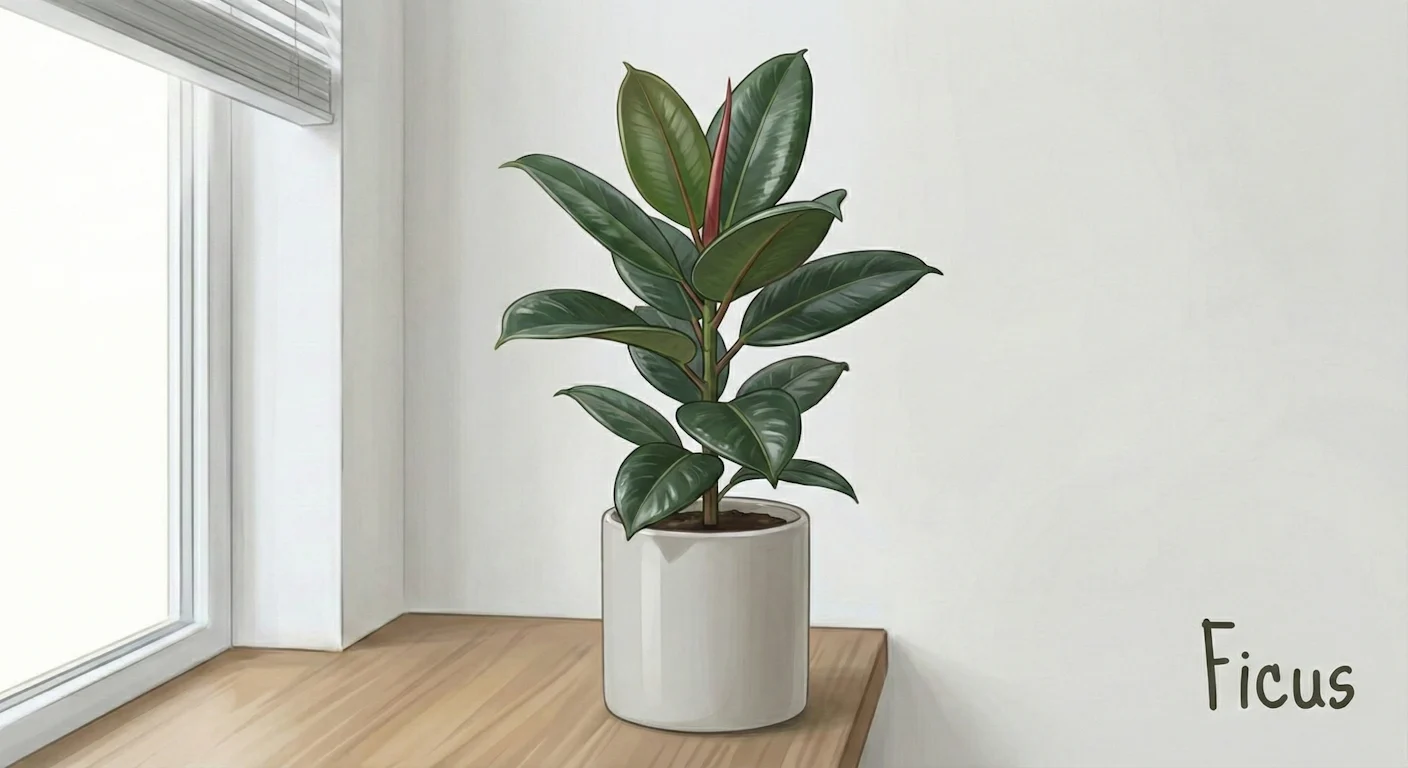
The sap of some indoor ficus plants irritates the skin and digestive tract. For example, sap from the weeping fig (Ficus benjamina) can cause dermatitis on contact, while eating the plant can cause mouth irritation and vomiting. The reaction depends on the ficus species and the type of exposure.
Prevent further contact with the plant and ask a vet what to do next. Tell them whether sap got onto your pet's skin or into their eyes, and whether your pet chewed the leaves.
Monstera
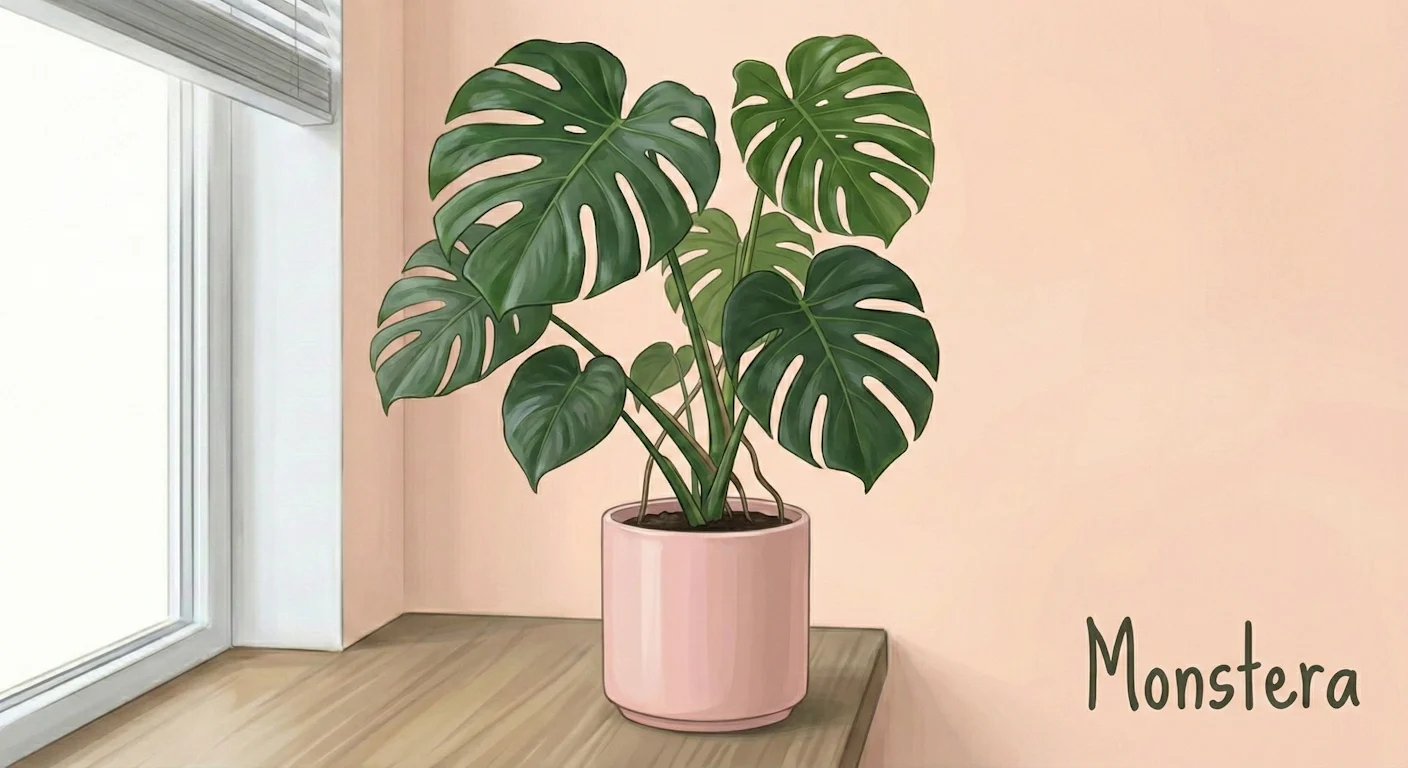
Monstera leaves and stems contain insoluble calcium oxalates. Chewing them can cause mouth pain, drooling, vomiting and difficulty swallowing.
Remove the plant and call a vet. Your pet may refuse food because their mouth hurts. Do not try to force-feed them.
Philodendron
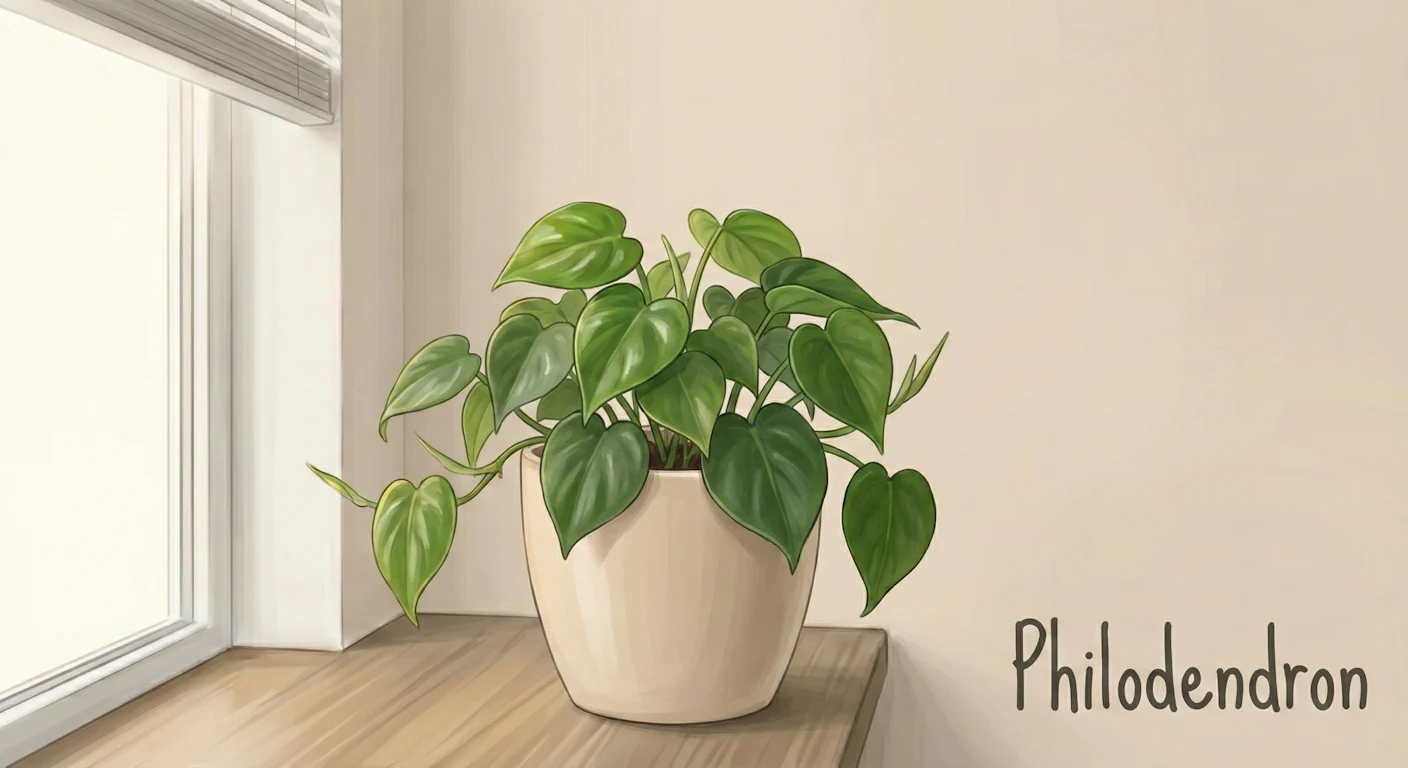
Philodendrons cause the same irritation from calcium oxalate crystals as monsteras. Typical signs are mouth pain, drooling, vomiting and difficulty swallowing.
Contact a vet if your pet has eaten any of the plant. Move both the pot and any trailing stems out of your pet's reach.
Azalea
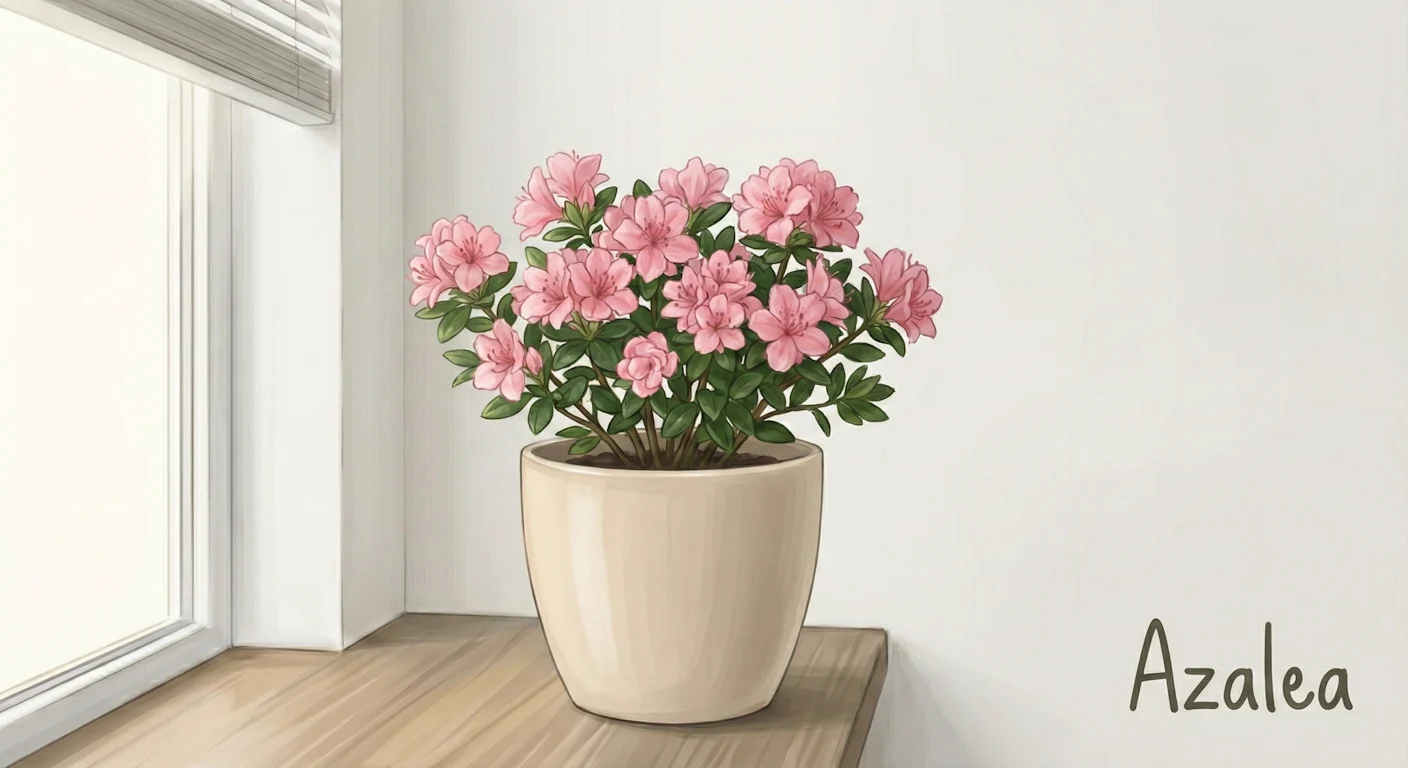
Azaleas contain grayanotoxins, which affect the muscles, heart and nervous system. Eating the plant can cause drooling, vomiting, diarrhoea, severe weakness, abnormal heart rhythms and seizures. Severe poisoning can be fatal.
Caladium
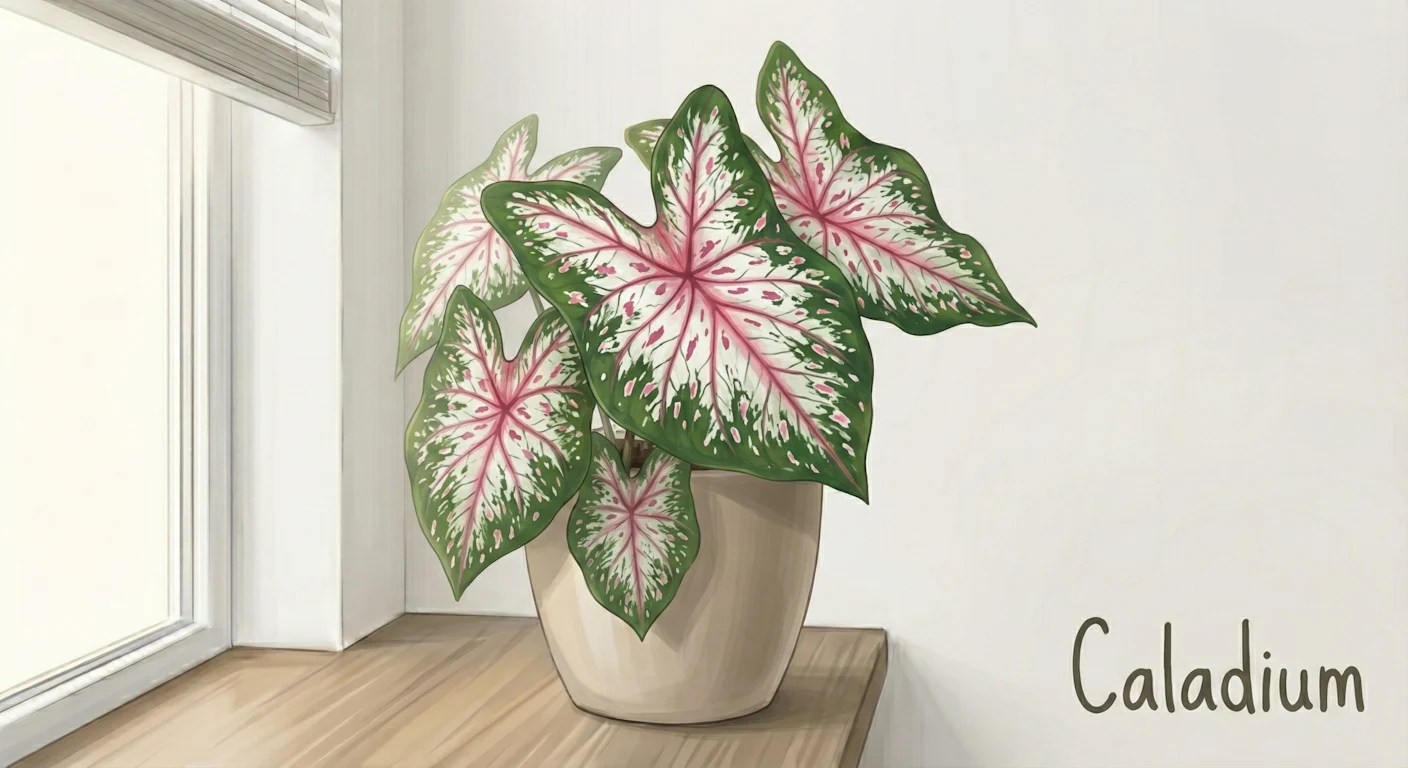
Calcium oxalate crystals in caladium irritate the mouth and tongue. Chewing the plant may cause drooling, pain, swelling, vomiting and refusal to eat.
Contact a vet. If your pet cannot swallow or breathe normally, take them to a clinic urgently.
ZZ plant
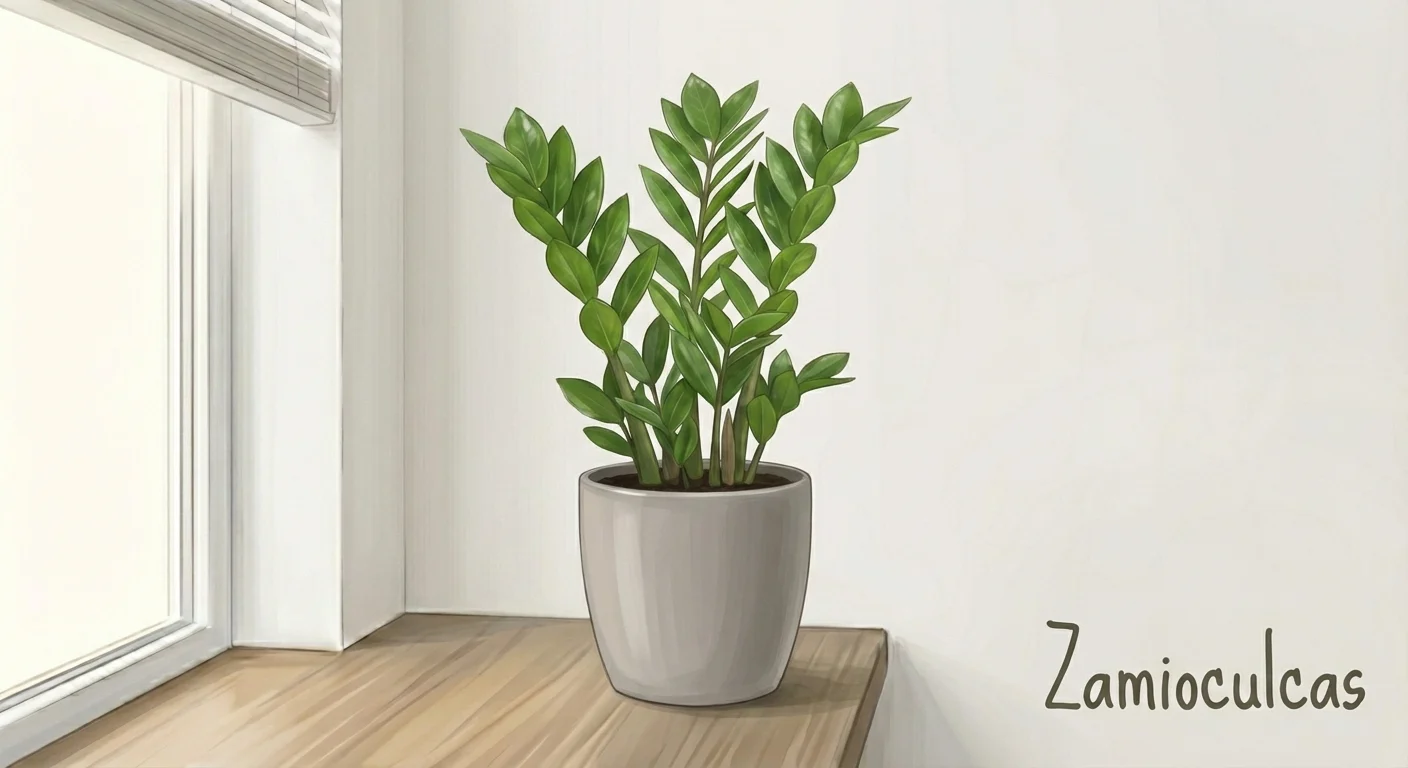
The ZZ plant also contains insoluble calcium oxalates. When chewed, they irritate the mouth and digestive tract, which may cause pain, drooling, vomiting and reduced appetite.
Move the plant out of reach and call a vet. Explain how much your pet may have eaten and how they are feeling. This helps the vet decide whether home monitoring is suitable or your pet needs an appointment.
Oleander
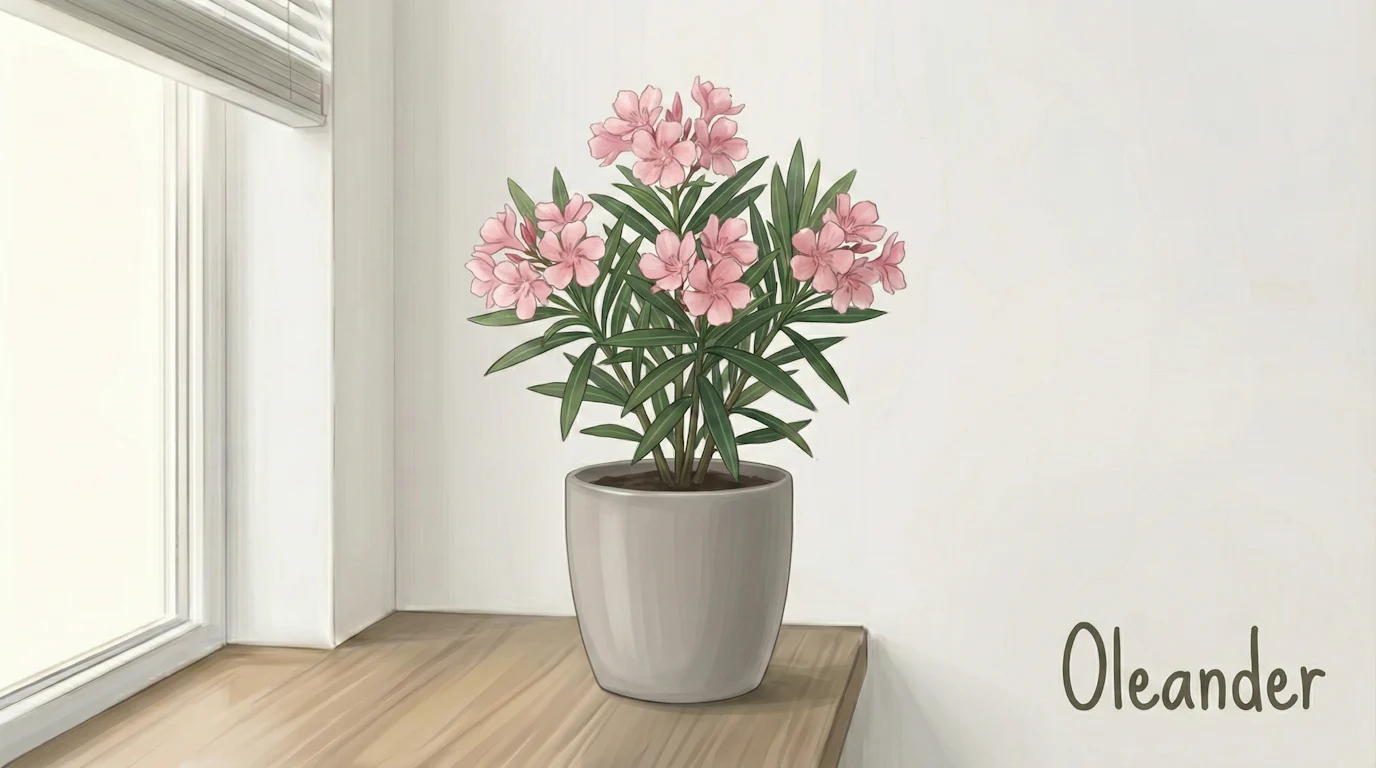
All parts of oleander contain cardiac glycosides. These can cause dangerous changes in heart rhythm. Other possible signs include drooling, vomiting, diarrhoea, abdominal pain, weakness and a sudden decline in your pet's condition. Poisoning can be fatal.
Check the plants around your home
- Check the names of all your plants and the flowers in bouquets. Keep the labels or a list of their scientific names.
- Keep dangerous plants in a room your pet cannot enter. A high shelf may not stop a cat from reaching them. Clear away fallen leaves and flowers too.
- If you have a cat, keep true lilies and daylilies out of your home, including in bouquets.
- Before buying a new plant, check its exact species in a veterinary guide to toxic plants or ask your vet.
Contact Shunn u Katun: +374 55 895 495, 7 Tumanyan Street, Vanadzor. We are open Tuesday to Saturday, 11:00 to 19:00. If your pet needs urgent help and we are closed or not answering, go to the nearest open veterinary clinic.


Comments
No comments yet.