
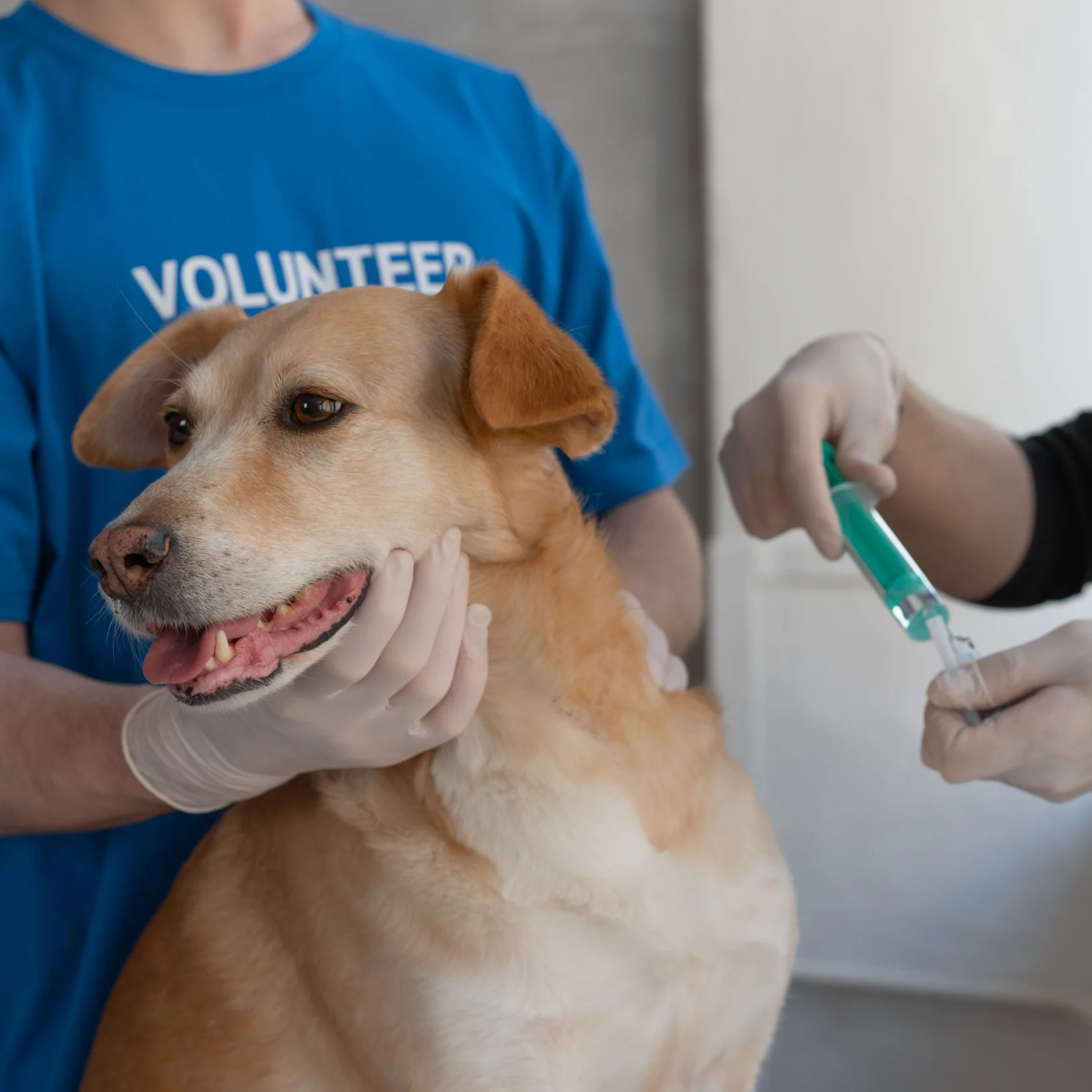
We want to see pets for planned appointments while they are feeling well. Vaccination helps protect dogs and cats against dangerous infections and reduces the risk of severe illness. Take out your pet’s passport and check the next date. The schedule depends on age, previous doses, the vaccine, health and lifestyle. At the appointment, we examine your pet, choose the vaccine and timing, and make the entry in the passport.
Five reasons not to delay vaccination
- Core vaccines protect dogs against canine distemper, canine adenovirus and canine parvovirus, and cats against panleukopenia, calicivirus and feline herpesvirus.
- Puppies and kittens need a series of doses. Maternal antibodies can interfere with an early vaccine, which makes the final dose of the primary course at 16 weeks of age or older particularly important.
- Rabies vaccination protects animals and people. Once clinical signs appear, rabies is almost always fatal.
- A valid rabies vaccination and correctly completed documents are often needed for travel. The exact rules depend on the country, route and carrier.
- Prevention reduces the risk of infections that require prolonged, intensive treatment.
How the schedule is planned
WSAVA recommends that core vaccination of puppies and kittens usually starts at 6 to 8 weeks of age, with another dose every 2 to 4 weeks. The final dose in the primary course should be given no earlier than 16 weeks. A vet may extend the course to 20 weeks when the risk of infection is high. The next dose is given no earlier than 26 weeks; the exact timing depends on the schedule and product.
- Core vaccines are recommended for all dogs and cats, taking account of where they live or travel.
- Non-core vaccines are selected according to lifestyle and exposure risk, including walks, boarding, shows, travel and living with other animals.
- Not every adult vaccine is annual. The interval depends on the infection, product, local rules and the animal's previous course.
A single date on a calendar cannot replace an individual plan. For example, adult animals usually do not receive modified live core vaccines more often than once every three years, while protection against some other infections needs annual renewal. Rabies vaccination follows the product instructions and current rules.
When a dose is overdue
If you missed the date, please still book an appointment. Do not wait until next year or put off the visit because the passport is missing. We can work through the vaccination history and plan the next steps. The whole course does not always need to start again: that depends on the vaccine, age, previous doses and the manufacturer’s instructions. Bring any old records you still have.
Before the appointment
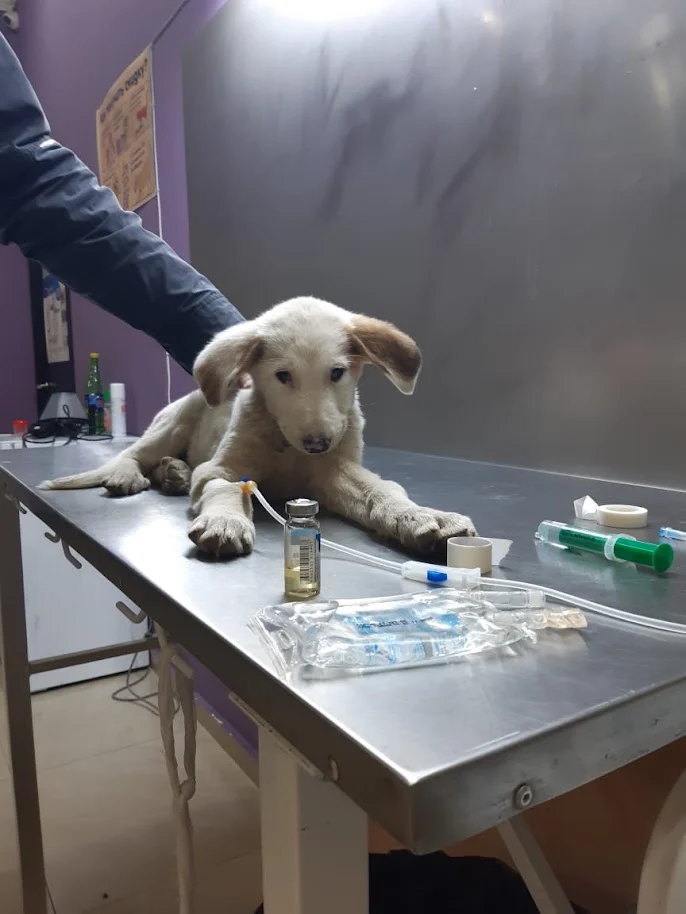
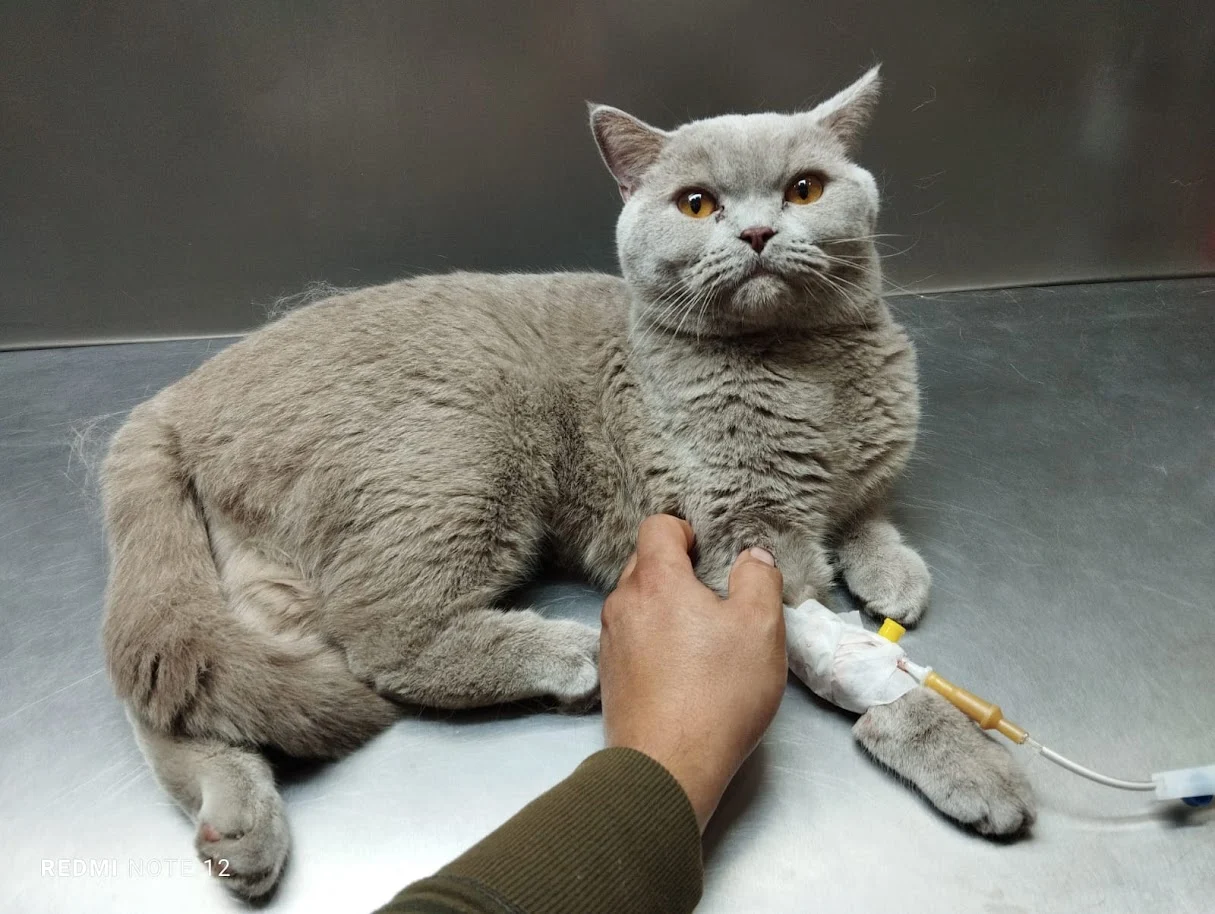
- Bring your pet's veterinary passport and any record of previous vaccines.
- Tell the vet about recent illness, chronic conditions, medication, pregnancy and any previous reaction to a vaccine.
- Discuss optional vaccines in the context of your pet's risks. A cat that lives indoors may still need core protection.
- If you are planning a trip, provide the country, route and date early. Documents and the waiting period after a first vaccine take time.
After vaccination
Mild soreness at the injection site, sleepiness, reduced appetite or a short-lived fever are recognised reactions after vaccination. Monitor your pet and follow your vet's advice. Contact the clinic if you are worried or your pet is not improving.
When your pet is travelling abroad
Check the rules for the specific destination. For example, a pet travelling to the EU must be microchipped before its rabies vaccination, and there is normally a wait of at least 21 days after the first valid vaccination. Some routes require a rabies antibody titre test and longer preparation. Airlines and accommodation providers may have their own conditions.
How to tell when it is time to book
- Check the date, product name and validity of the rabies vaccination entry in the passport.
- If the record is incomplete or a vaccine is overdue, call the clinic and explain what you know.
- Do not rely on the phrase 'once a year' alone, because intervals differ between vaccines.
Book an appointment at Shunn u Katun by calling +374 55 895 495 or messaging us on Telegram. We are at 7 Tumanyan Street, Vanadzor, and open Tuesday to Saturday from 11:00 to 19:00.
Comments
No comments yet.