
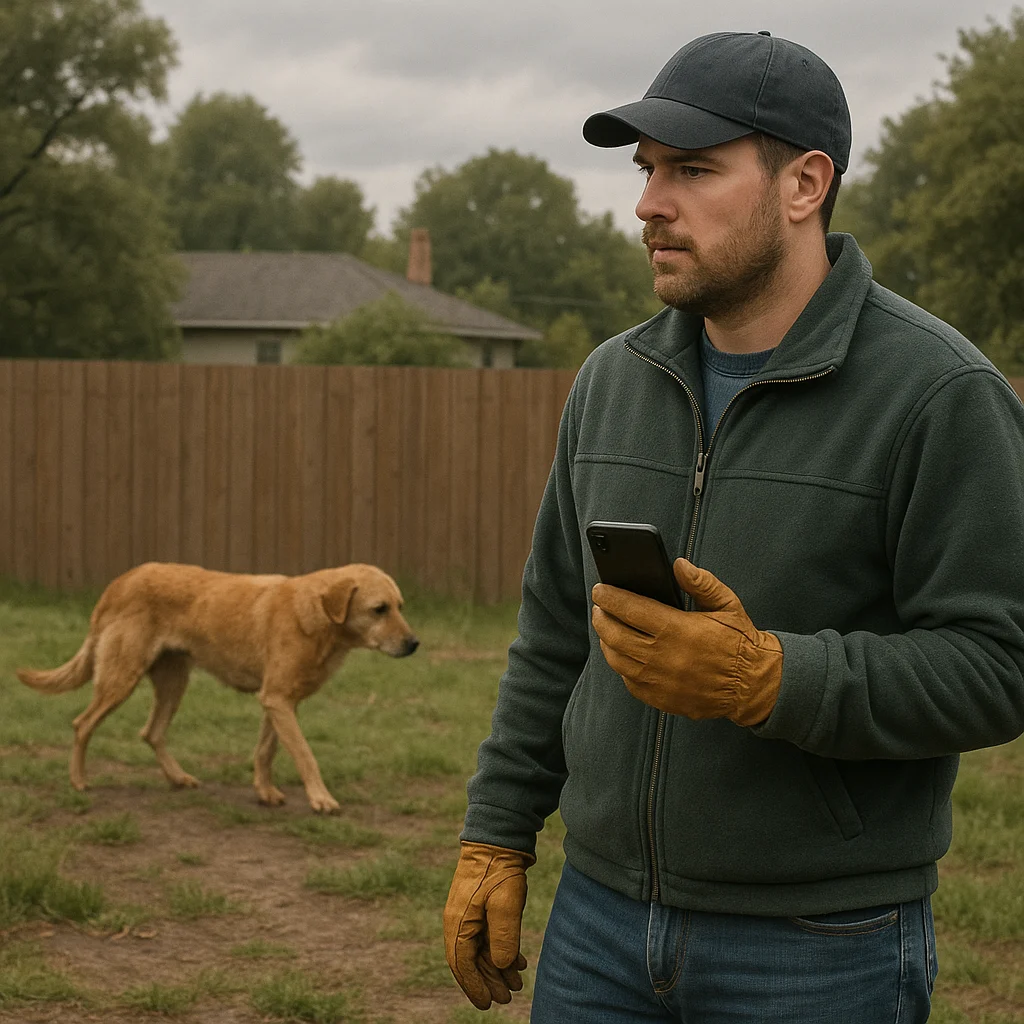
Seeing an injured or frightened dog on the street makes you want to help at once. Chasing or grabbing them can end in an escape, an injury or a bite. Stop, assess the surroundings and choose the calmest option. Some dogs only need a treat and a leash. Others need a humane cage trap and someone who knows how to use it.
When a dog really needs help
- There is a visible injury, bleeding, severe weight loss, weakness or difficulty breathing.
- The dog is beside a busy road, trapped in a yard or in another place where they face immediate danger.
- A very young puppy has been alone for a long time. Watch from a distance first, because the mother may be nearby but afraid to approach.
- The capture has been planned for neutering, vaccination, treatment and possible return to the familiar area.
- The dog is threatening people or other animals. They still need help, but a trained person should handle the capture.
Call first and observe
- Report where the dog is, how they move and whether you can see blood, laboured breathing, vomiting, seizures or signs of aggression. This helps the team choose a capture and transport plan before anyone approaches.
- Check from a distance for puppies. A mother may defend her den even if she usually allows people near her.
- Note where the dog eats and rests and which route they follow. With a wary dog, this information is more useful than trying to grab them straight away.
- Do not surround the dog. Leave an escape route and move bystanders, children and other animals away.
- Wear closed shoes and sturdy clothing, but remember that they do not prevent a bite or make a dangerous capture safe.
What to prepare
- A phone with the clinic number saved and a map pin for the place where you saw the dog.
- Strong-smelling food such as cooked chicken or pâté, plus a bowl of water.
- A strong slip lead for a calm, social dog, as well as a correctly fitted harness and standard leash for secure transport.
- A closed carrier, sturdy crate or safely partitioned area in the vehicle.
- A large cloth or blanket to partly cover the cage after capture without blocking ventilation.
- A torch and a first-aid kit for people. Do not bring medicine or sedatives for the dog unless a vet has prescribed them.
How to build trust
A wary dog may need several quiet visits in the same place at roughly the same time. Stand side-on, avoid leaning over them and do not stare into their eyes. Speak softly, toss small pieces of food from a distance and let the dog decide whether to approach or move away. Do not reach out or suddenly try to fasten a collar. If trust does not develop, plan a trap with an experienced volunteer or handler.
Choosing a capture method
A leash for a social dog
If the dog approaches calmly, takes food and shows no threatening behaviour, offer a treat and gently pass a slip lead over their head. Do not jerk the lead, tighten it more than necessary or lift the dog by it. Once secure, add a correctly fitted harness and a second leash. Do not rely on an old collar found on a roaming dog, because it may be stretched or damaged.
A humane cage trap for a fearful dog
- Choose the trap size and placement with someone who already knows how to operate it.
- Place it on level, stable ground along the dog's familiar route, with strong-smelling food beyond the trigger plate.
- Monitor the trap continuously. Never leave a captured dog alone, in direct sun, heat, cold or rain.
- When the door closes, approach calmly, partly cover the cage with a cloth, keep the airflow clear and begin the journey you planned in advance.
Professional capture for an aggressive or unreachable dog
If the dog lunges, will not allow anyone near, is injured or is trapped in a dangerous place, stop at a safe distance. Capture loops and control poles require training. They must not be used to pull, lift or choke an animal. An improvised rope noose can easily injure the neck and airway, so it is not suitable for an untrained rescue.
A muzzle is not always needed
What not to do
- Do not chase the dog, shout, corner them or throw objects at them.
- Do not grab an unfamiliar dog with your hands or throw a blanket over them in an open area.
- Do not put an improvised noose, wire or tightening rope around the neck.
- Do not give sedatives or hide medicine in food without direct instructions from a veterinarian.
- Do not open the cage or vehicle door during the journey, even if the dog appears calm.
After the capture
- Call the clinic before setting off and say that you are bringing a stray dog, especially if the dog is injured or showing aggression.
- Transport the dog in a closed cage or a well-ventilated, partitioned area of the vehicle. Secure the cage so it cannot slide.
- Keep the journey quiet and cool. Do not put your hands through the bars or try to examine a wound on the road.
- When you arrive, alert the staff before opening the vehicle or carrier.
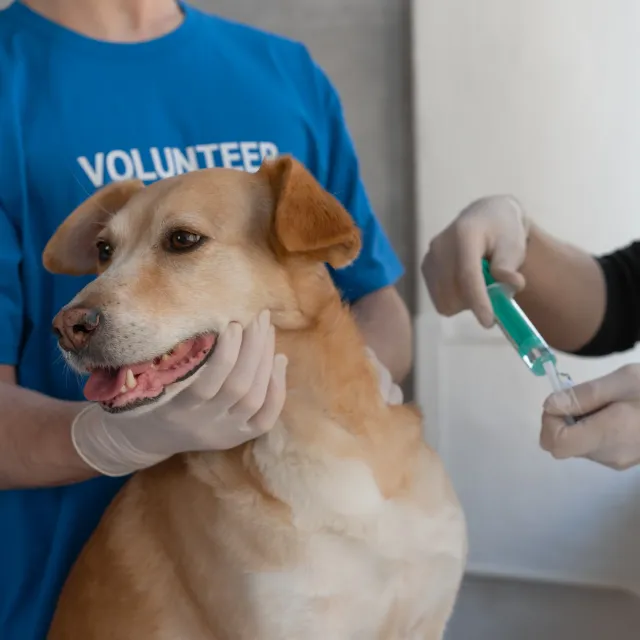
At the clinic, we first assess the dog's condition and scan for a microchip. We plan parasite treatment, vaccination and neutering after the examination and in light of the dog's future care. We can also prepare a photo report for the volunteers looking after the dog.
Contact Shunn u Katun on +374 55 895 495 or via Telegram. We are at 7 Tumanyan Street in Vanadzor and open Tuesday to Saturday from 11:00 to 19:00.
Sources
- WOAH · Dog population management, Chapter 7.7
- RSPCA · Found a lost or stray dog
- Association of Shelter Veterinarians · Guidelines for Standards of Care in Animal Shelters
- Humane World for Animals · How to safely help a stray animal
- Cornell University College of Veterinary Medicine · Muzzle choices
- WHO · Rabies

Comments
No comments yet.