
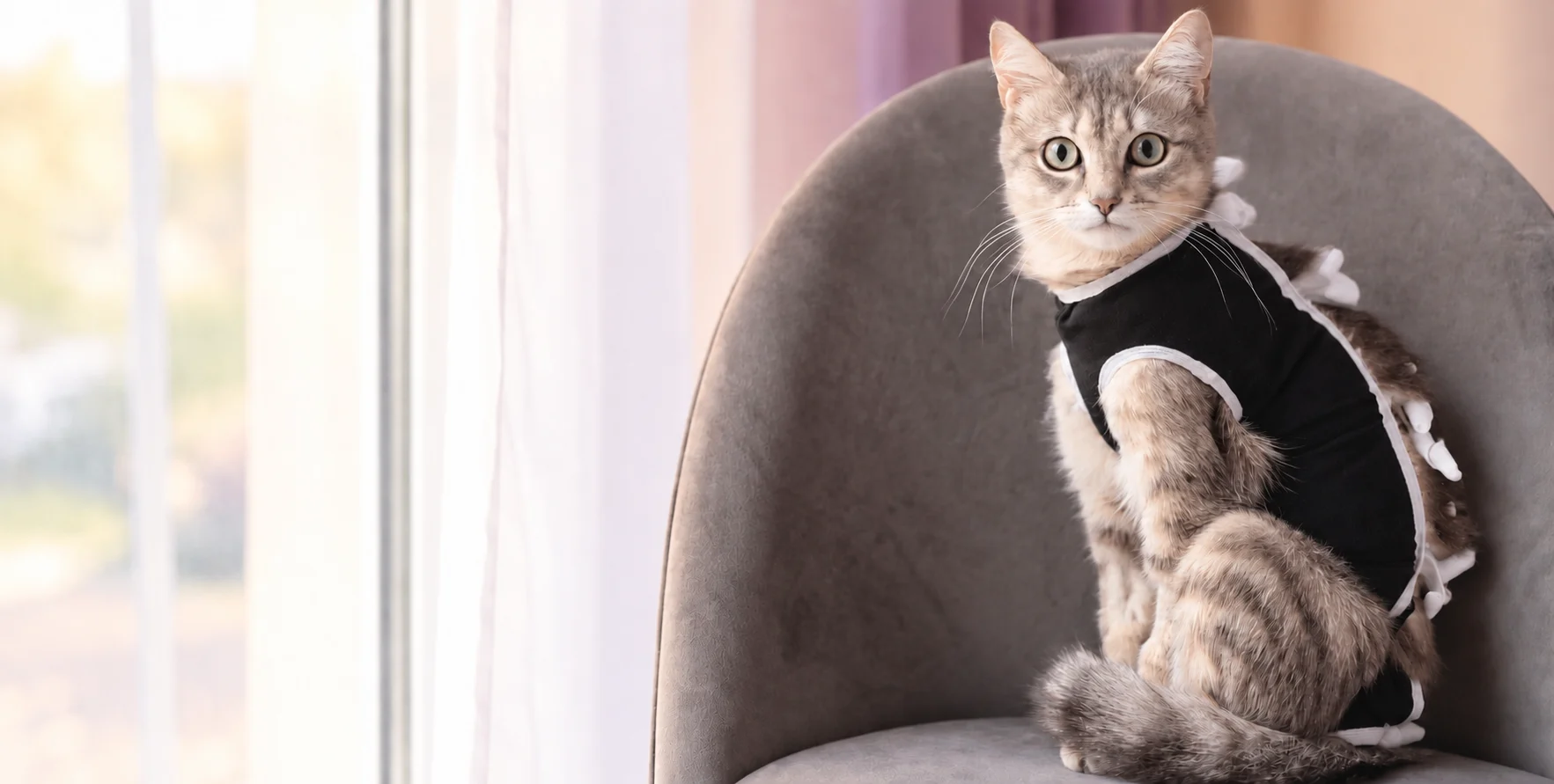
When an owner is advised to have a pet spayed or neutered, questions about the benefits often come with anxiety. How will the animal cope with anaesthesia? Will their personality change or their weight increase? We hear these concerns in consultations and answer them honestly. Surgery has benefits, limitations and risks, and the right time depends on the individual animal.
First, a word about the terms
Sterilisation is an umbrella term for methods that prevent an animal from reproducing. In everyday English, surgery in females is usually called spaying, while surgery in males is called neutering or castration. The most common operations remove the gonads: the testicles in males and the ovaries in females, sometimes together with the uterus. Less common methods preserve the gonads and still prevent pregnancy, but they have different effects on hormones, health and behaviour.
At Shunn u Katun, we perform gonad-removal surgery in both male and female animals. Before the operation, we explain the exact procedure we recommend, why we chose it and what recovery is likely to involve.
Myth 1: 'Neutering changes a pet's personality and takes away their happiness'
A pet's bond with people, curiosity and familiar habits remain after surgery. Behaviours directly driven by reproductive hormones may lessen, including heat cycles, searching for a mate, some roaming and urine marking. Fear, boredom, anxiety and learned aggression need their own assessment and do not disappear automatically. A familiar routine, movement, play, safety and your attention continue to support the animal's wellbeing.
Myth 2: 'A female should have one litter first'
A first heat or litter has no known medical benefit and does not protect against pyometra or mammary tumours. Professional associations support spaying cats by five months of age. There is no single age that is right for every dog: the vet considers breed, expected adult size, sex, health, home environment and individual risks. It is worth discussing timing early, even if surgery will be scheduled later.
Myth 3: 'A pet will inevitably become overweight'
Energy requirements often fall after the gonads are removed, so the risk of weight gain does increase. Owners can prevent weight gain by monitoring weight and body condition, measuring the full daily food allowance including treats, and maintaining suitable activity. Do not sharply restrict a growing puppy's or kitten's diet without guidance. Food should be adjusted for age, size and growth rate.

Myth 4: 'Spaying or neutering is too dangerous'
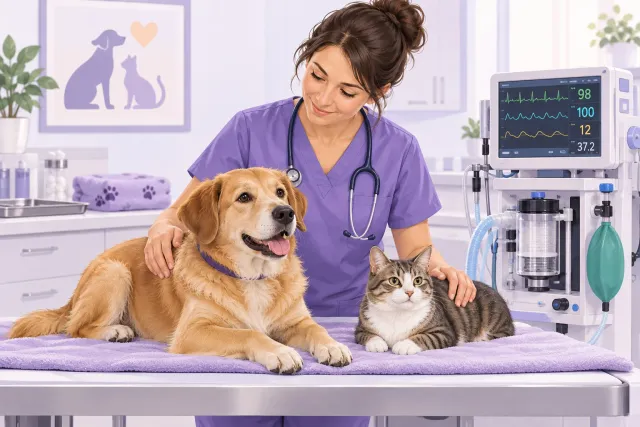
Every anaesthetic and surgical procedure carries risk, including the possibility of serious complications. That risk is usually low for an examined animal having planned surgery, but it cannot be reduced to zero. The patient should be assessed beforehand, with suitable drugs and pain relief chosen for them. Their condition must be monitored throughout the procedure and during recovery from anaesthesia.
How we prepare a patient at our clinic
Planning begins before the patient enters the operating room. We need to understand how the animal feels now and what could affect anaesthesia or recovery.
- We take a health history, including chronic conditions, recent symptoms, allergies, previous operations, reactions to anaesthesia, medicines and supplements.
- We examine the animal and recommend only the tests that this patient needs.
- We make an individual anaesthetic and pain-relief plan based on weight, age, health and the extent of surgery.
- We monitor breathing, blood oxygen saturation, pulse, blood pressure and temperature, and continue watching the patient during recovery.
- Before discharge, we explain wound protection, medicines, feeding, activity and the signs that mean the owner should contact a vet promptly.
Our article Pet surgery: understanding the risks and preparing explains preoperative preparation and anaesthetic risk in more detail.
Myth 5: 'It is cruel'
Responsible surgery includes anaesthesia, pain relief and postoperative care. During the first few days, a pet needs rest, wound protection and close observation. Spaying and neutering prevent unwanted litters. Removing the gonads protects against pyometra and testicular tumours and reduces the risk of some other diseases. The decision should reflect the animal's health and way of life, free from guilt or pressure from other people.
Our experience: 1,850 operations in Kazakhstan
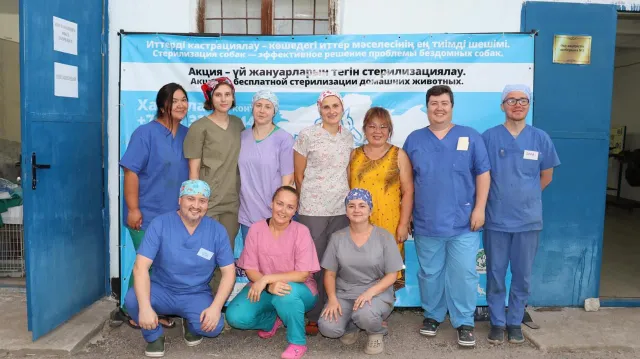
From 17 June to 11 July 2025, the Shunn u Katun team joined an international charity campaign across six cities in Kazakhstan. Vets neutered 1,850 owned and stray dogs and cats in 25 days. Veterinarian Anna Pinkus performed hundreds of operations, while clinic director Vasiliy Malyukov worked as a coordinator and volunteer.
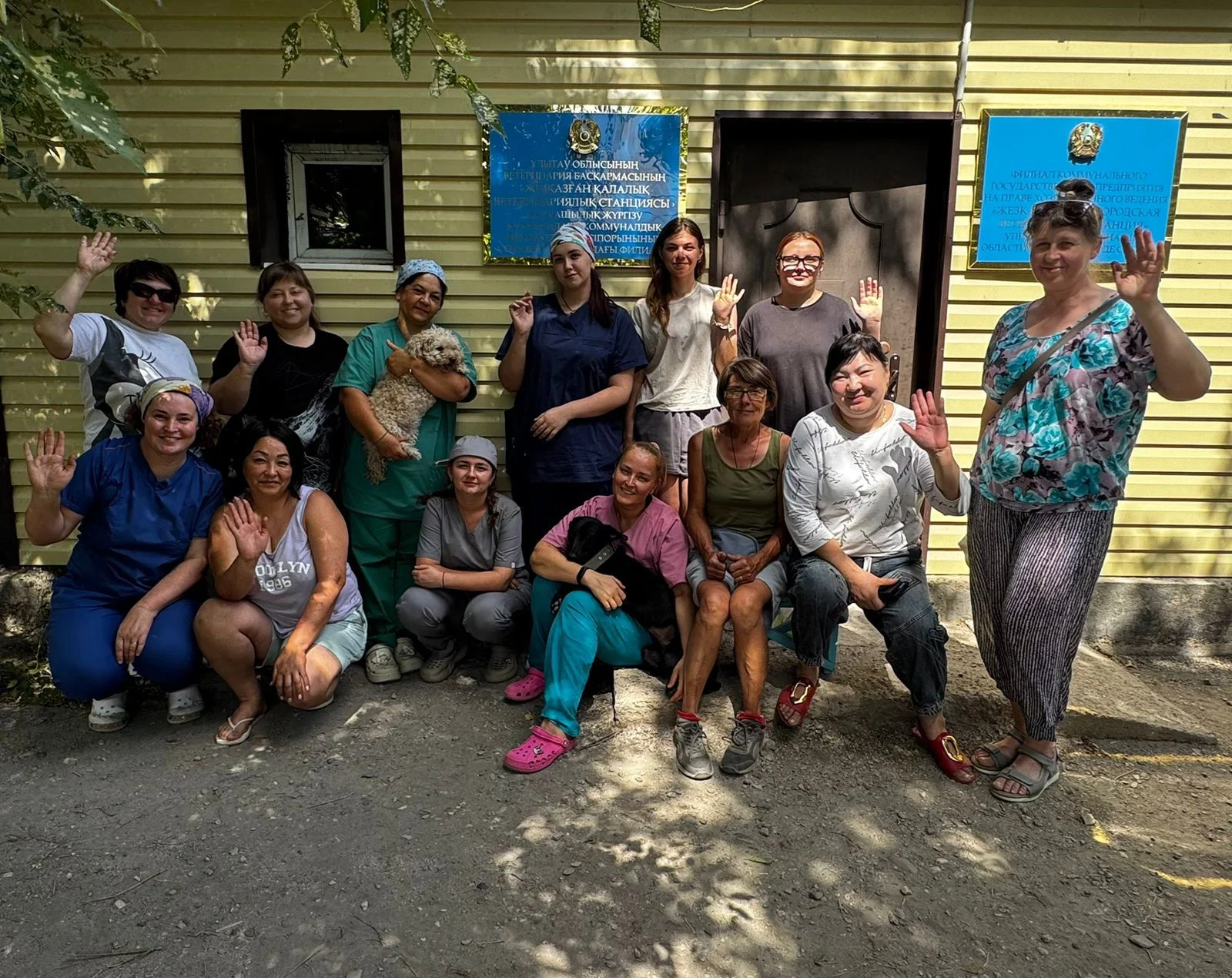
Work across six cities required a coordinated team, shared veterinary standards, pain relief and postoperative care. Local professionals gained practical experience so they could continue the programme after the international team left. We published the full story of the trip and photographs of the team separately.
What to discuss with your vet
- Your pet's age, sex, breed and expected adult size.
- Current health, chronic conditions, medicines and any previous experience of anaesthesia.
- Living arrangements, the chance of roaming or an accidental mating, and contact with other animals.
- Whether breeding is planned and whether there is a medical reason to preserve reproductive hormones.
- How feeding will change, how long recovery is likely to take and who can observe the pet at home.
If you are considering surgery, bring previous records, test results and a list of medicines to the consultation. To book an appointment at Shunn u Katun, call +374 55 895 495 or message us on Telegram. We are at 7 Tumanyan Street in Vanadzor and are open Tuesday to Saturday from 11:00 to 19:00.
Comments
No comments yet.