
There is no single food that suits every pet. A good diet fits your animal's species, age, health and lifestyle, and it also has to work in your daily routine. This guide compares the main options in practical terms, so the food bowl comes with fewer doubts.
Where to start
- Look for a statement that the food is complete and intended for a dog or cat at the right life stage. A complementary food, treat or topper should not become the main diet.
- Check the calorie content and feeding directions. The amount on the package is a starting point that should be adjusted for weight, body condition, activity and how your pet changes over time.
- Find out who formulates the diet, how the company checks its ingredients and finished products, and whether it can provide a complete nutrient analysis. An ingredient list alone does not show food quality.
- Discuss the choice with a veterinarian during pregnancy or growth, or if your pet has a chronic illness, a suspected food reaction or a therapeutic diet.
- Consider the practical side: can you buy the food consistently, store it correctly and measure the portions?
Dry food
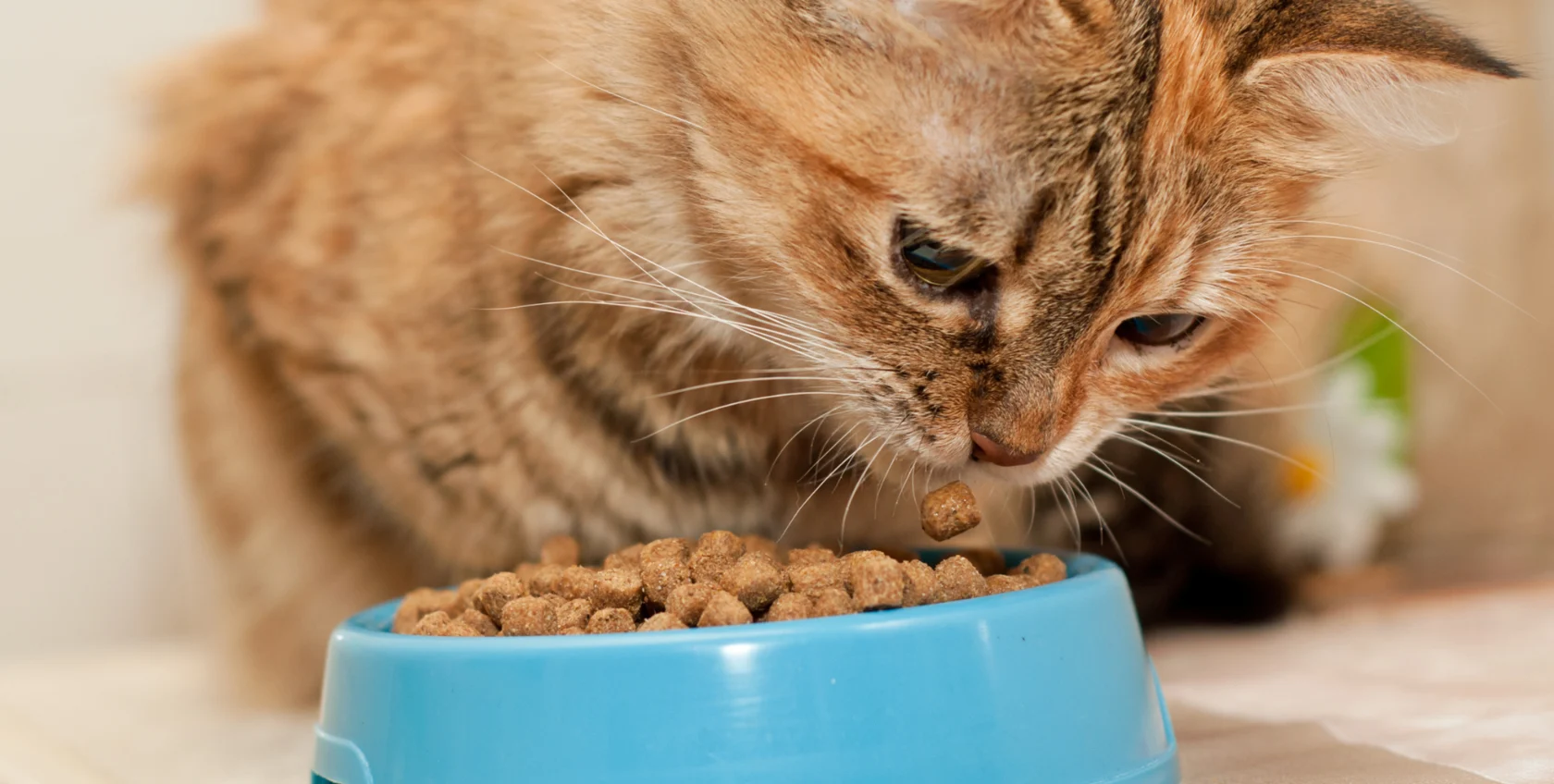
A complete dry food can be the regular diet of a healthy dog or cat. It is convenient for storage, automatic feeders and food puzzles. Kibble contains little water, however, and a small error in volume can add a surprising number of calories.
- Measure the daily amount with a kitchen scale or an accurate scoop, especially if food is left out for free feeding.
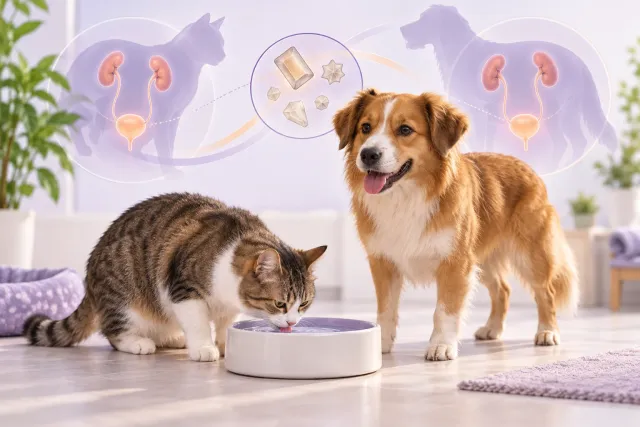
- Fresh water must always be available. Several bowls around the home or a drinking fountain often help cats.
- Keep kibble in its original package, close it tightly and protect it from heat, sunlight and moisture.
- Ordinary kibble does not replace tooth brushing. Only specially designed diets and products have proven dental benefits, such as those accepted by VOHC.
Wet food
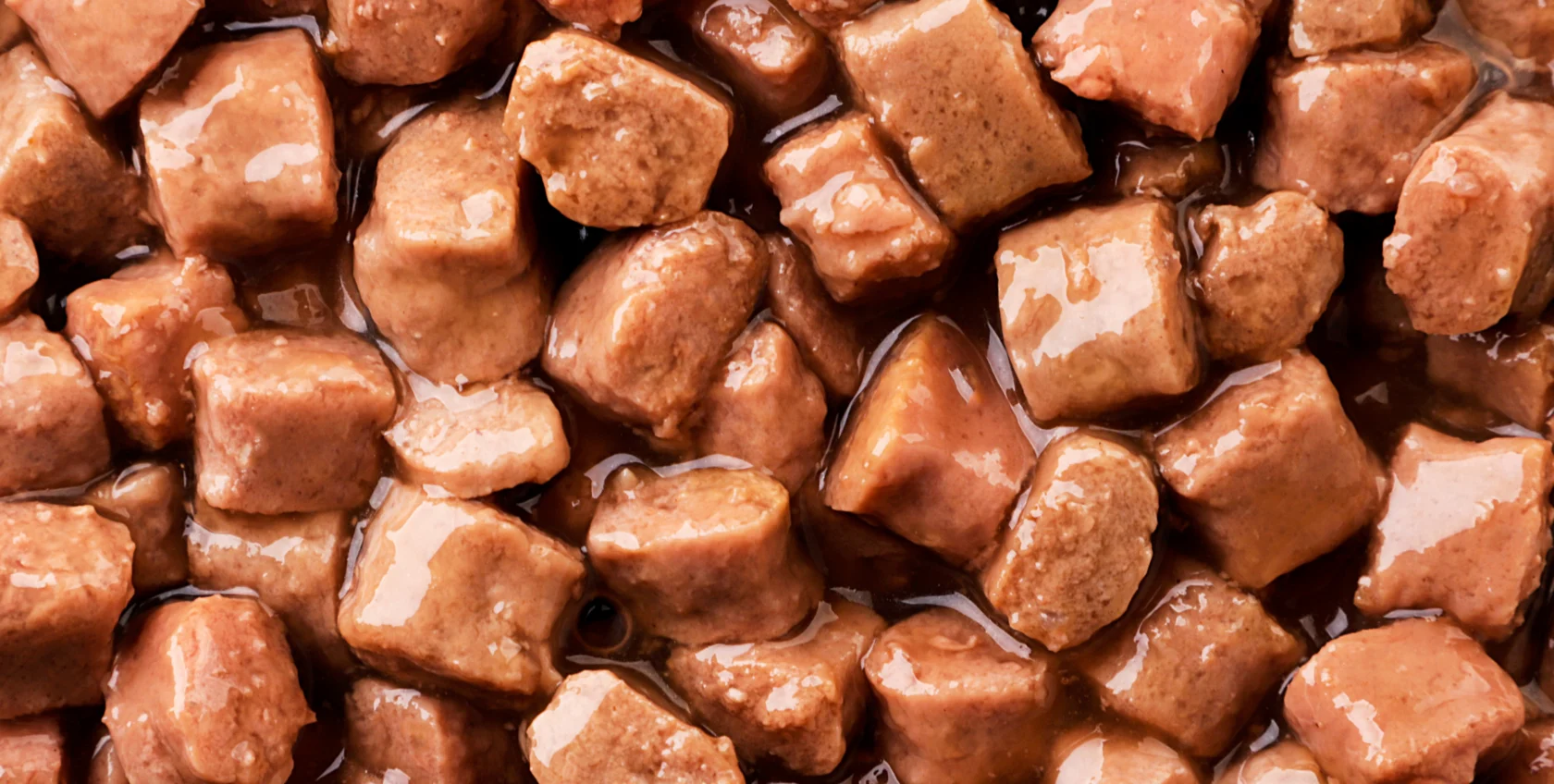
Pouches and canned foods usually contain far more water than kibble. Their aroma and soft texture may help a pet that drinks little, has a poor appetite or finds chewing uncomfortable. Wet food also needs to be complete if you plan to use it as the regular diet.
- Compare calories: pouches that look the same size can provide very different amounts of energy.
- Do not use a product labelled for complementary or intermittent feeding as the only diet.
- Cover opened food, refrigerate it and follow the manufacturer's time limit. Discard leftovers from the bowl promptly.
- Do not use food from a swollen, leaking or damaged package, or food with an unusual smell.
Home-prepared diets
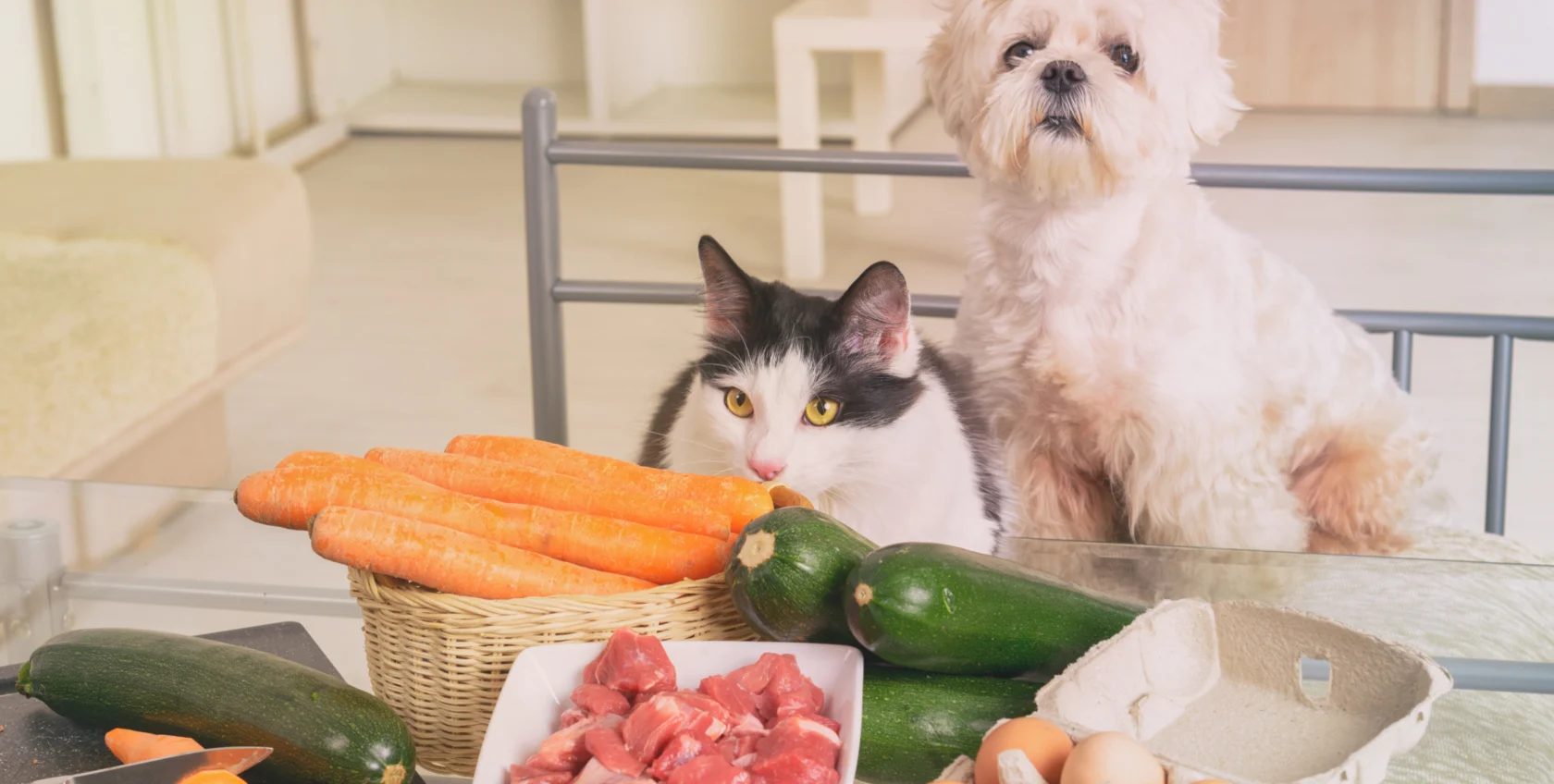
Home-prepared food can be complete when a veterinary nutritionist writes the recipe for that individual animal and you follow it without casual substitutions. Meat, grains and vegetables by themselves do not provide the right calcium-to-phosphorus ratio, essential amino acids, fatty acids, vitamins and trace minerals. Taurine is especially important for cats.
- Do not feed table scraps or fried, salty, smoked or seasoned food.
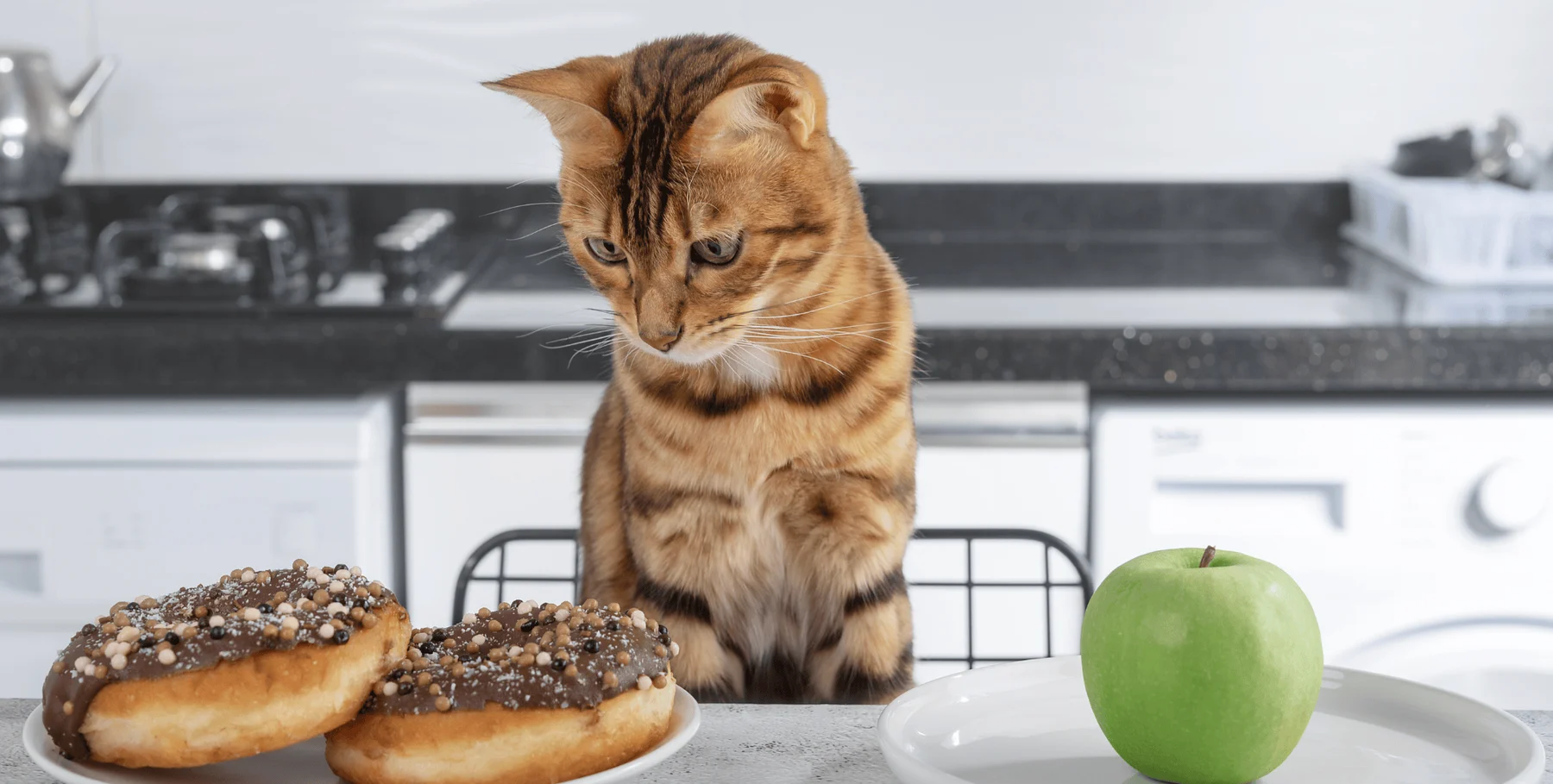
- Onions, garlic, grapes and raisins, chocolate and xylitol are dangerous to dogs and cats. Bones can fracture teeth or injure the digestive tract.
- Use vitamin and mineral supplements only as part of a calculated recipe. A homemade collection of supplements can also unbalance the diet.
- A home-prepared diet must be recalculated with a specialist during chronic illness, growth, pregnancy or a weight-loss programme.
Mixed feeding
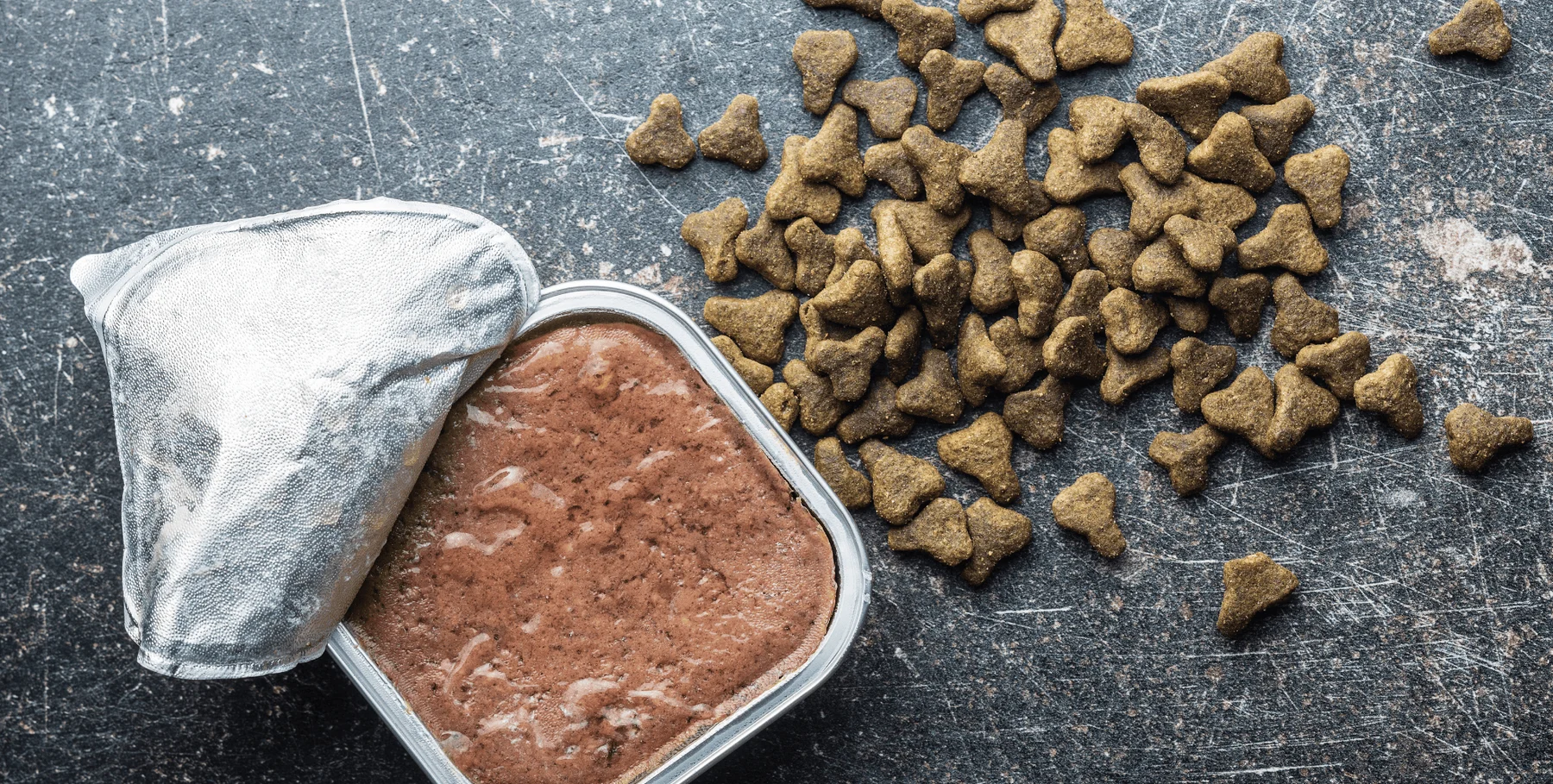
Dry and wet foods may be used in the same diet and even in the same bowl if your pet prefers it that way. The important part is to avoid adding two full daily allowances and accidentally serving a double portion.
- Choose products made for the same species and the appropriate life stage.
- Calculate the calories in each product and divide the total daily need between them.
- Introduce a new component gradually and do not change several foods at once, so a reaction is easier to trace.
- Do not mix a therapeutic diet with ordinary food without the veterinarian's approval, because this may change its intended effect.
How much food and water
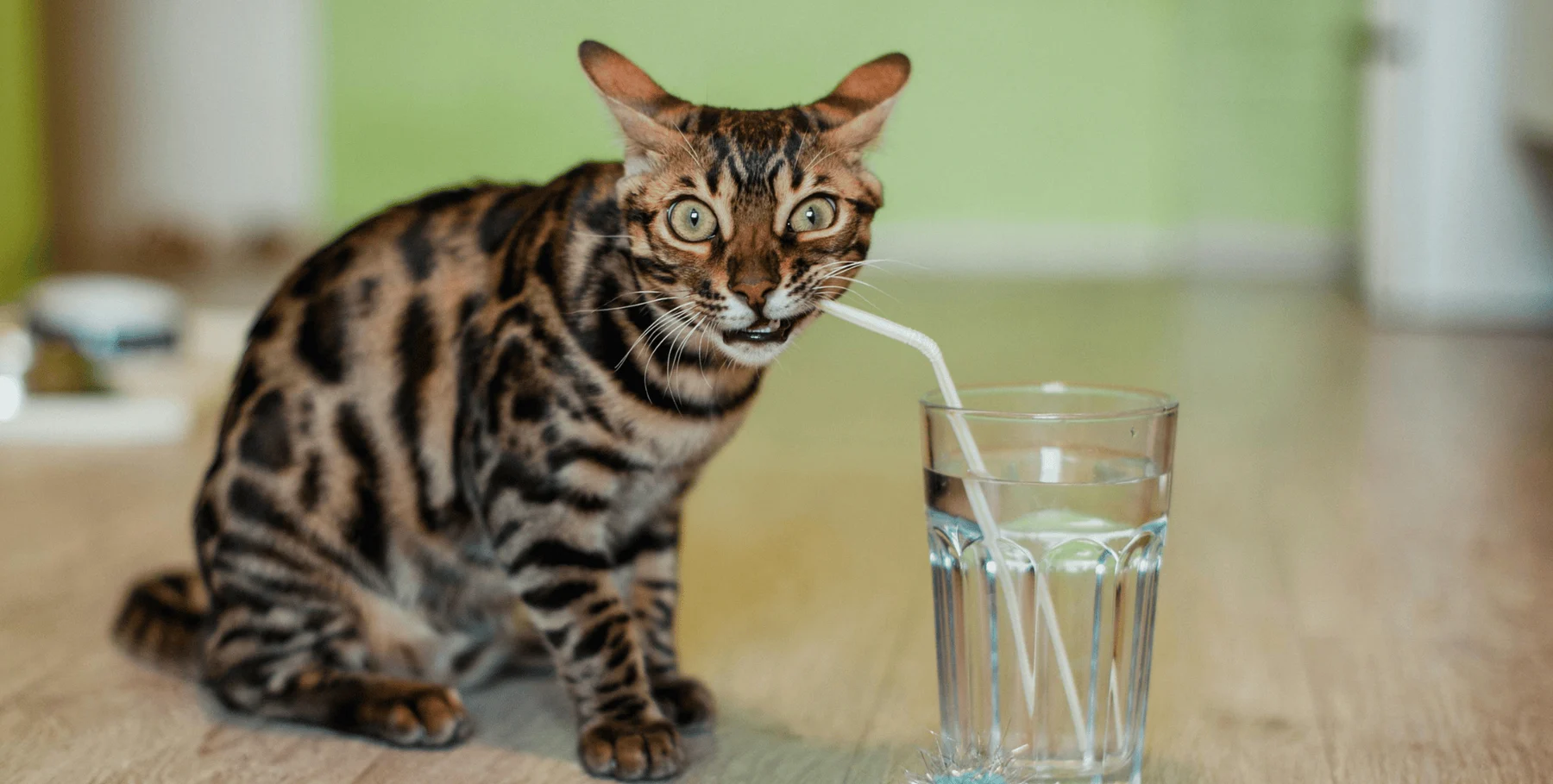
Resting energy requirement is one starting point: RER = 70 × body weight in kg^0.75. For a 4 kg cat, that is about 198 kcal. RER is then multiplied by a life-stage and activity factor, but the result still needs to be checked against body weight and condition. Two animals of the same size may need different amounts of food.
- Start with the package directions or a veterinary calculation and weigh the full daily portion.
- Include treats, table food and food used to give medication in the calorie total. These usually should provide no more than 10% of daily energy.
- Check weight and body shape every 2–4 weeks. You should be able to feel the ribs without a thick fat covering and see a waist from above.
- Use an individual plan for weight loss. Sharply cutting an ordinary food can reduce essential nutrients as well as calories.
A rough guide for a healthy animal in a comfortable environment is about 44–66 ml of total water per kg each day. This includes the water in wet food. Heat, activity, dry food, lactation, fever and illness can change the requirement substantially, so constant access and your own pet's usual pattern matter more than a rigid number.
Young, senior and unwell pets
- Puppies and kittens need a complete food for growth. Large-breed puppies particularly need a diet intended for the growth of large dogs.
- Calorie needs often fall after neutering, so check the portion and weight after a few weeks and continue monitoring them regularly.
- A healthy senior animal should not automatically receive a low-protein food. Monitor weight, muscle, appetite and test results, and change the diet for a specific need.
- For kidney, liver, urinary or gastrointestinal disease, diabetes or a suspected food allergy, diet becomes part of treatment. A veterinarian selects it, and an elimination trial must not be diluted with random treats.
Budget, buying and storage

- Compare the cost of the daily portion. If 1 kg of food costs 5000 drams and your pet eats 50 g, one day costs 250 drams.
- Do not buy a huge package only for the discount if the food will lose freshness after opening. Follow the manufacturer's guidance.
- Check the package, expiry date and delivery conditions. Keeping a small reserve of a therapeutic or hard-to-find food is sensible.
- Avoid pouring a new batch on top of an old one. This keeps the expiry date visible and makes an unusual smell or appearance easier to notice.
How to change food
For a healthy pet, food is usually changed gradually over about 7 days. A sensitive animal may need longer, while a veterinarian may use a different schedule for a therapeutic diet.
- Days 1–2: 75% old food and 25% new food.
- Days 3–4: equal parts old and new food, 50% each.
- Days 5–6: 25% old food and 75% new food.
- From day 7: 100% new food if your pet is well.
Six common myths

- “Bones clean teeth.” A bone can fracture a tooth, become lodged or injure the digestive tract. Tooth brushing and products with demonstrated benefits are safer home care.
- “Milk is good for adult cats.” Lactose causes gas and diarrhoea in many adult cats. Water remains the main drink.
- “Dry food itself causes kidney disease.” A complete dry food is suitable for a healthy animal. With kidney or urinary disease, the diet and ways to increase water intake should be based on the diagnosis.
- “Home cooking is always better than commercial food.” An uncalculated home diet often has deficiencies or excesses even when the ingredients look wholesome.
- “Dry and wet foods must never be mixed.” They can be combined when both suit the animal, total calories are counted and therapeutic restrictions are respected.
- “A pet asking for more must be hungry.” Begging may be a habit. Use weight, body condition, the daily portion and activity as your guides.
A simple decision plan
- Define your pet's species, life stage, activity, body condition and health needs.
- Choose a workable format: dry, wet, a combination or a calculated home-prepared diet.
- Check nutritional completeness, calories, life-stage purpose and information about the manufacturer.
- Calculate the daily portion with all treats included and keep water available.
- Make the change gradually and watch appetite, stool, skin, coat and activity.
- After 4–6 weeks, assess weight and body condition. Adjust the plan with your veterinarian if they move in the wrong direction.
If your pet is healthy and active, maintains a suitable weight, eats well and tolerates the diet, frequent changes are usually unnecessary. Consistent, appropriate food is more helpful than an endless search for the “best” bag.
When your pet needs urgent care
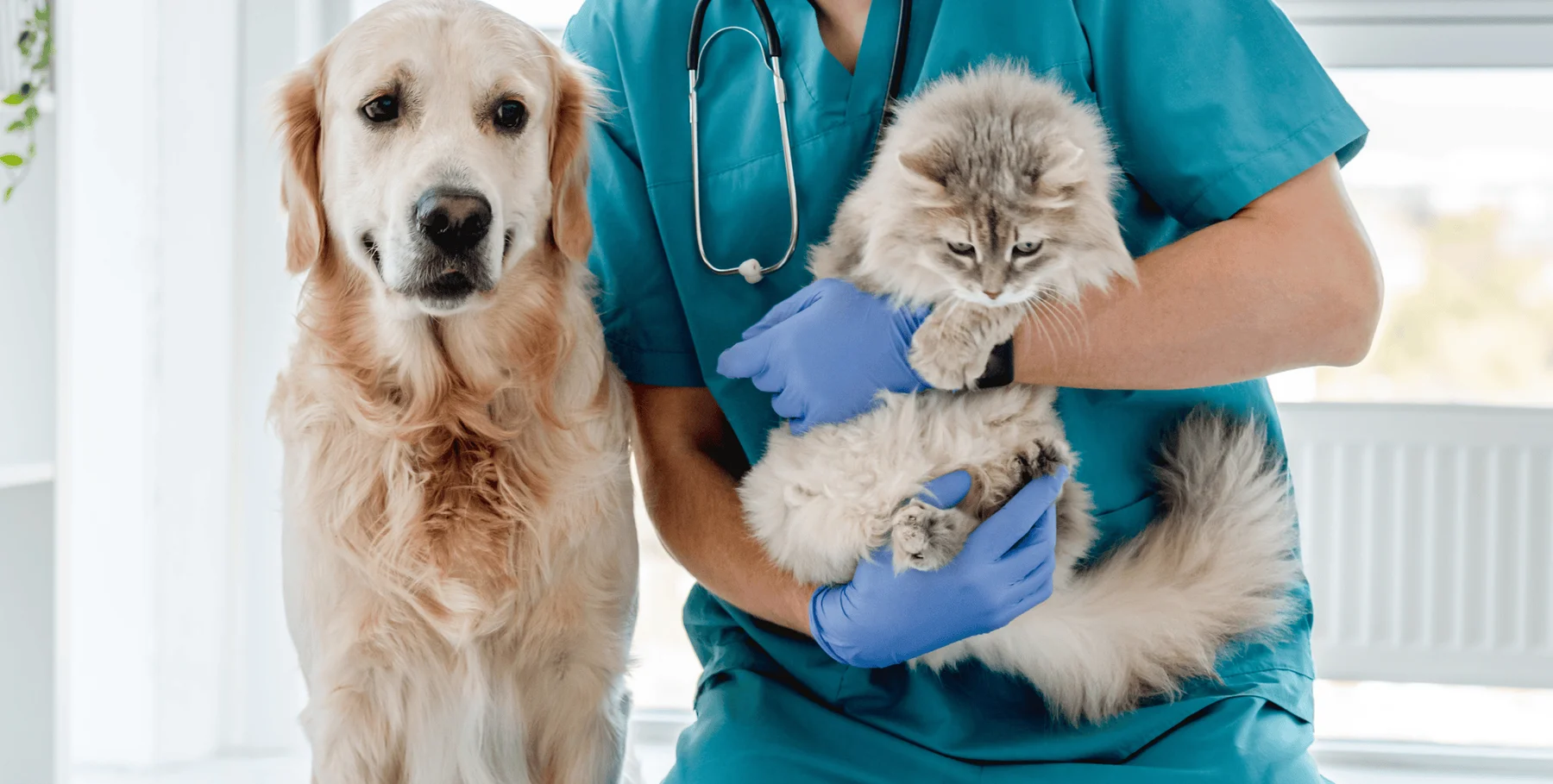
Do not dismiss significant illness as the “wrong food” or keep cycling through diets instead of arranging an examination. Call the clinic and describe your pet's age, weight, illnesses, what and when they ate, and when the signs began.
- an adult animal has not eaten for more than 24 hours, or a puppy, kitten or chronically ill pet refuses food for a much shorter time;
- vomiting is repeated, diarrhoea is severe, or there is blood or black, tarry stool;
- a dog's abdomen is swollen and the dog is restless and retching without bringing anything up;
- urination is painful or difficult, or no urine is passed, especially in a male cat;
- facial swelling, hives, difficulty breathing or sudden weakness develops;
- the pet suddenly drinks much more, barely drinks or produces a noticeably different amount of urine;
- weight falls quickly, or the animal is lethargic, collapses or cannot move normally.
Sources
- WSAVA · Selecting a Pet Food for Your Pet
- AAFCO · Selecting the Right Pet Food
- AAHA · Feeding Plans for Healthy, Appropriate Weight Cats and Dogs
- AAHA · Energy Requirement Calculations
- AAHA · Nutrition for Senior Dogs and Cats
- AAHA · Nutrition in Dental Health
- FDA · Raw Pet Food Diets
- Merck Veterinary Manual · Nutritional Requirements of Small Animals

Comments
No comments yet.