
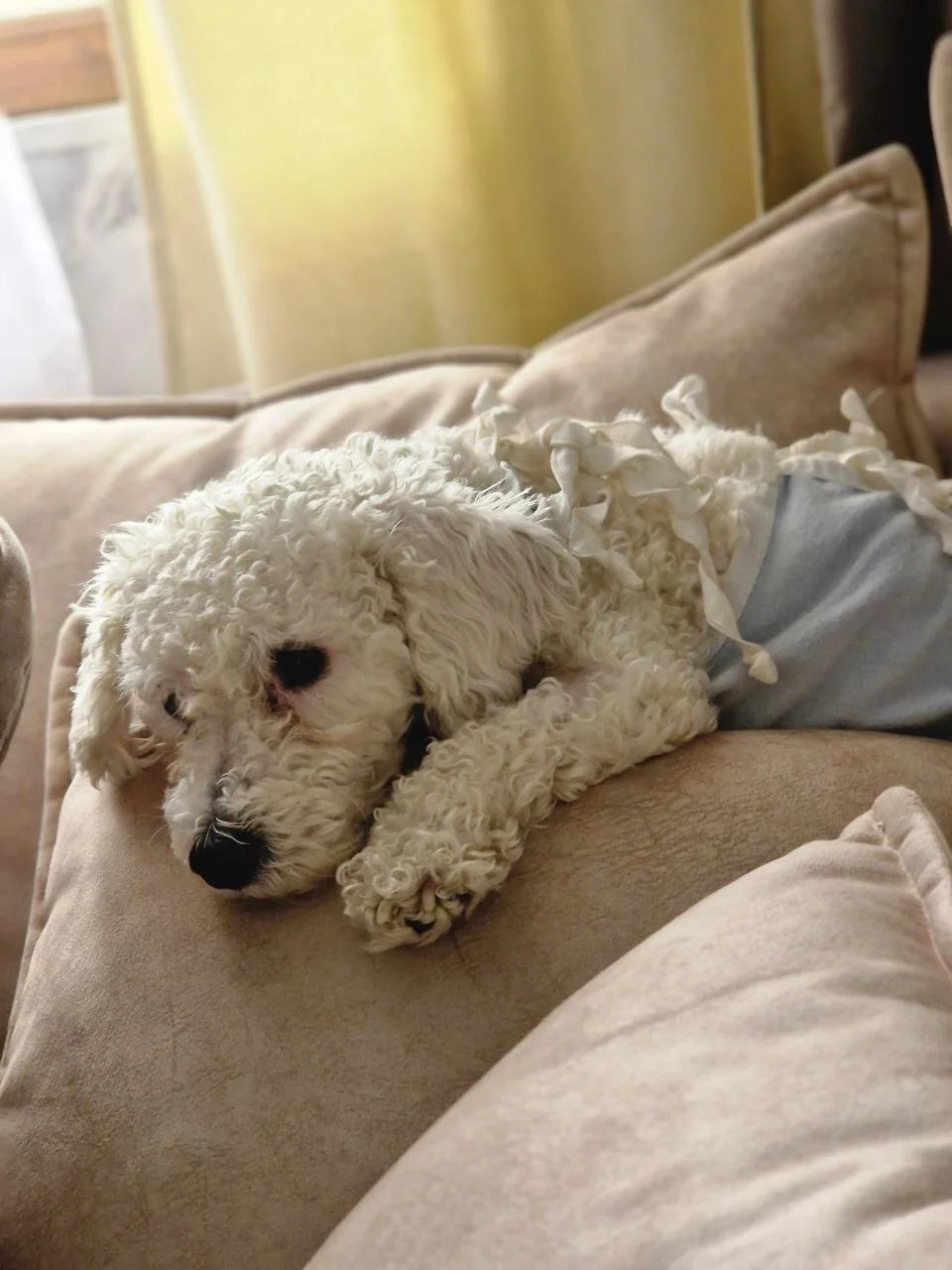
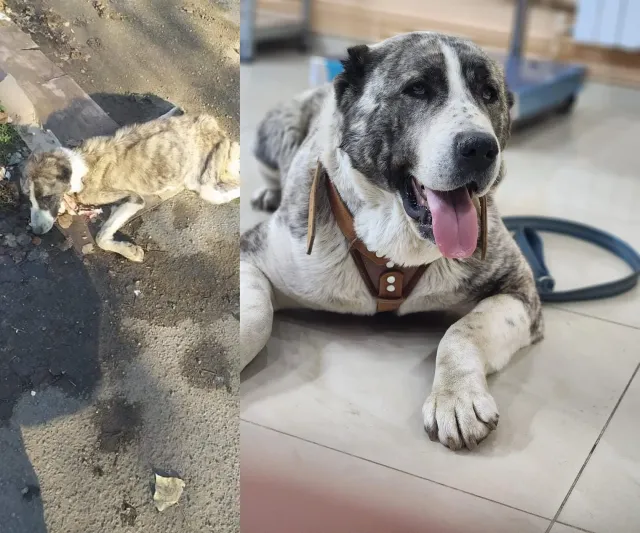
Monica arrived with no energy left
Monica is young and energetic. She usually greeted people with a wagging tail and bright eyes, but that day was different. She was vomiting green fluid, had stopped eating and drinking completely, and had become listless and withdrawn. Her owners did not wait for it to pass. They brought her straight to the clinic.
What the ultrasound showed
During the examination, we performed an ultrasound and found a foreign object in Monica’s intestine. It was blocking the bowel and explained the vomiting, refusal to eat and rapid deterioration. The object was an apricot pit. It had become lodged where it could no longer move through on its own.
Surgery and the first week
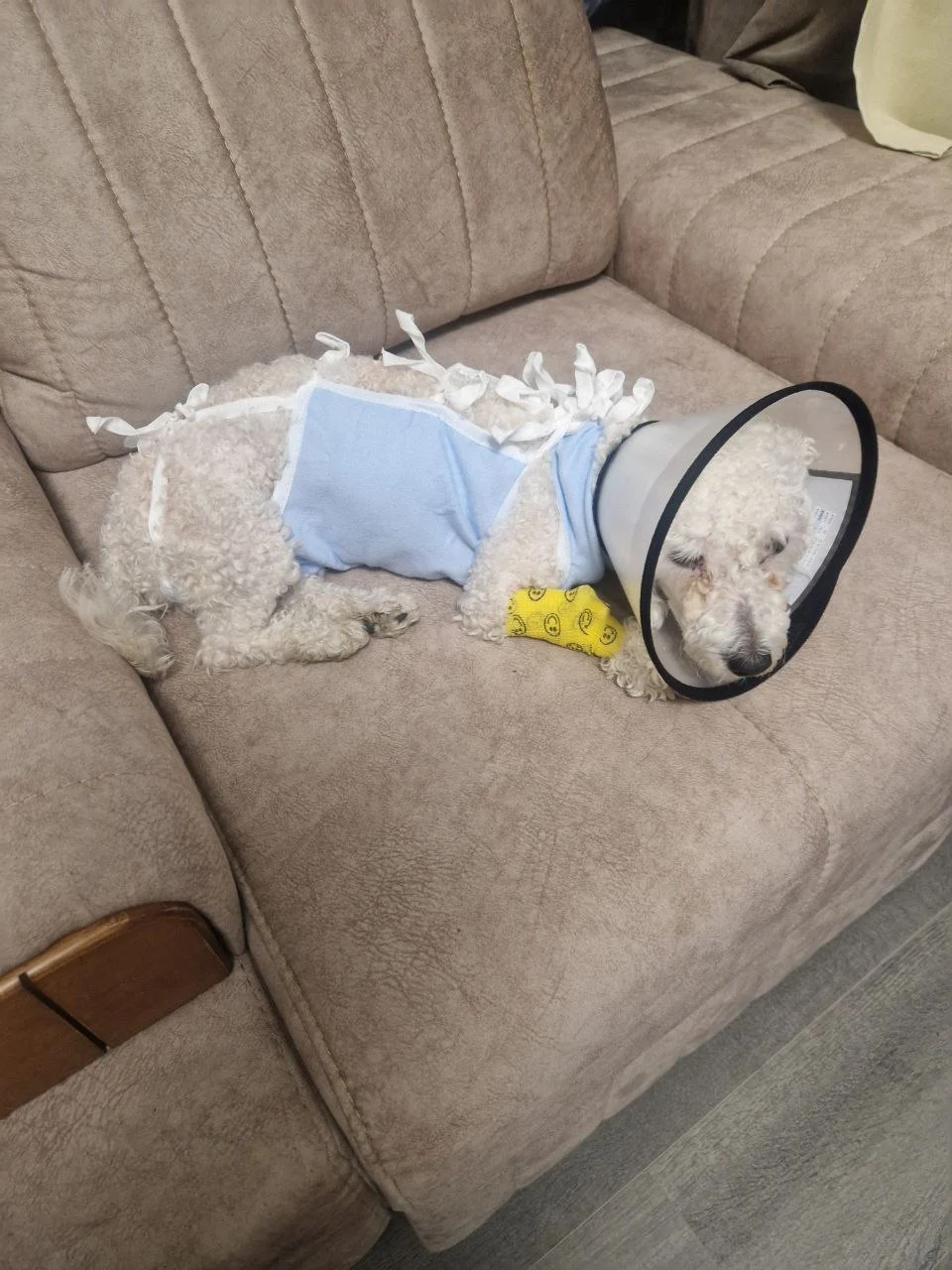
Monica needed surgery. The surgical team resected part of her intestine and carefully removed the pit. The procedure went well, but an important part of her treatment still lay ahead: recovery after the operation.
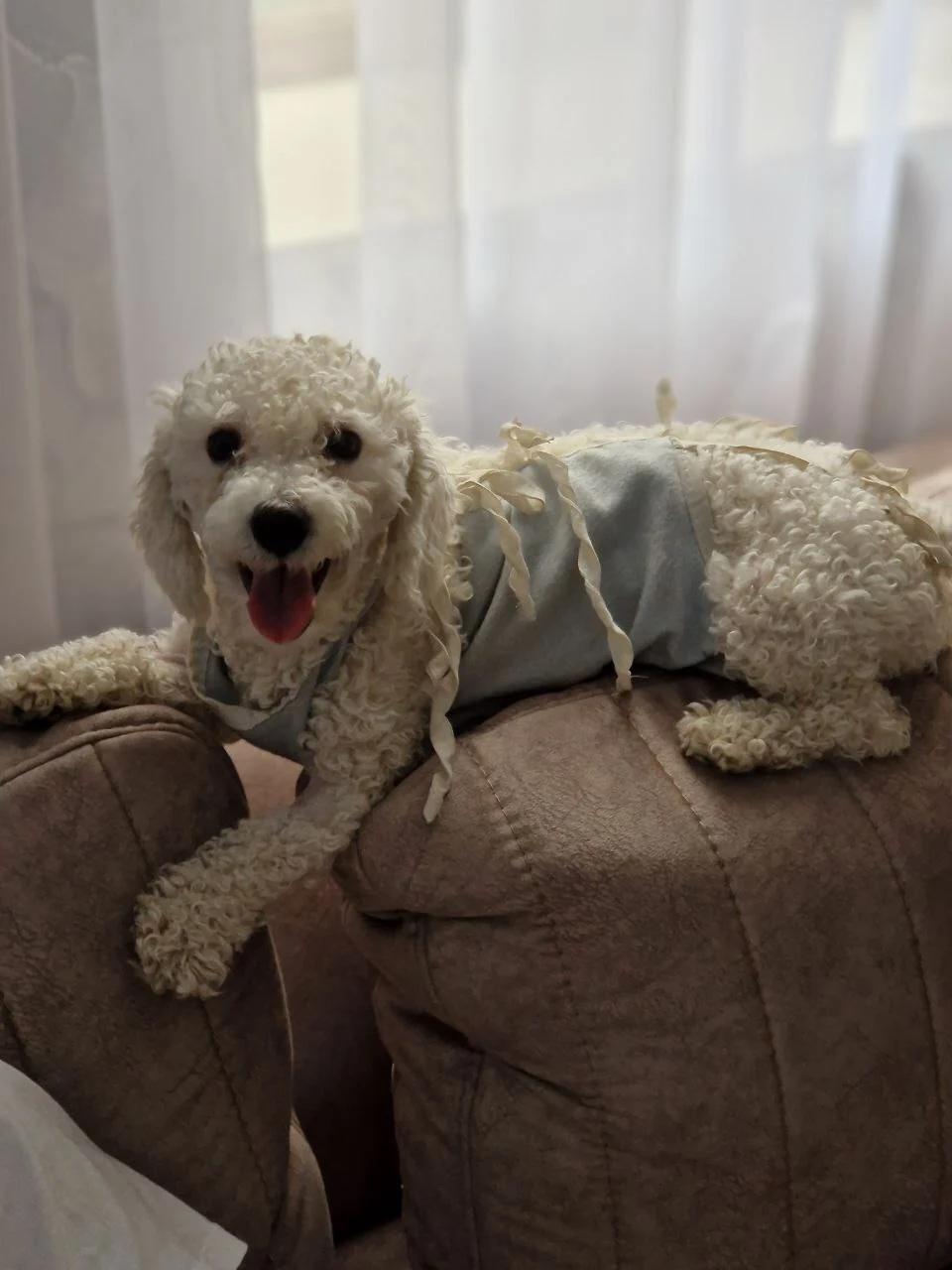
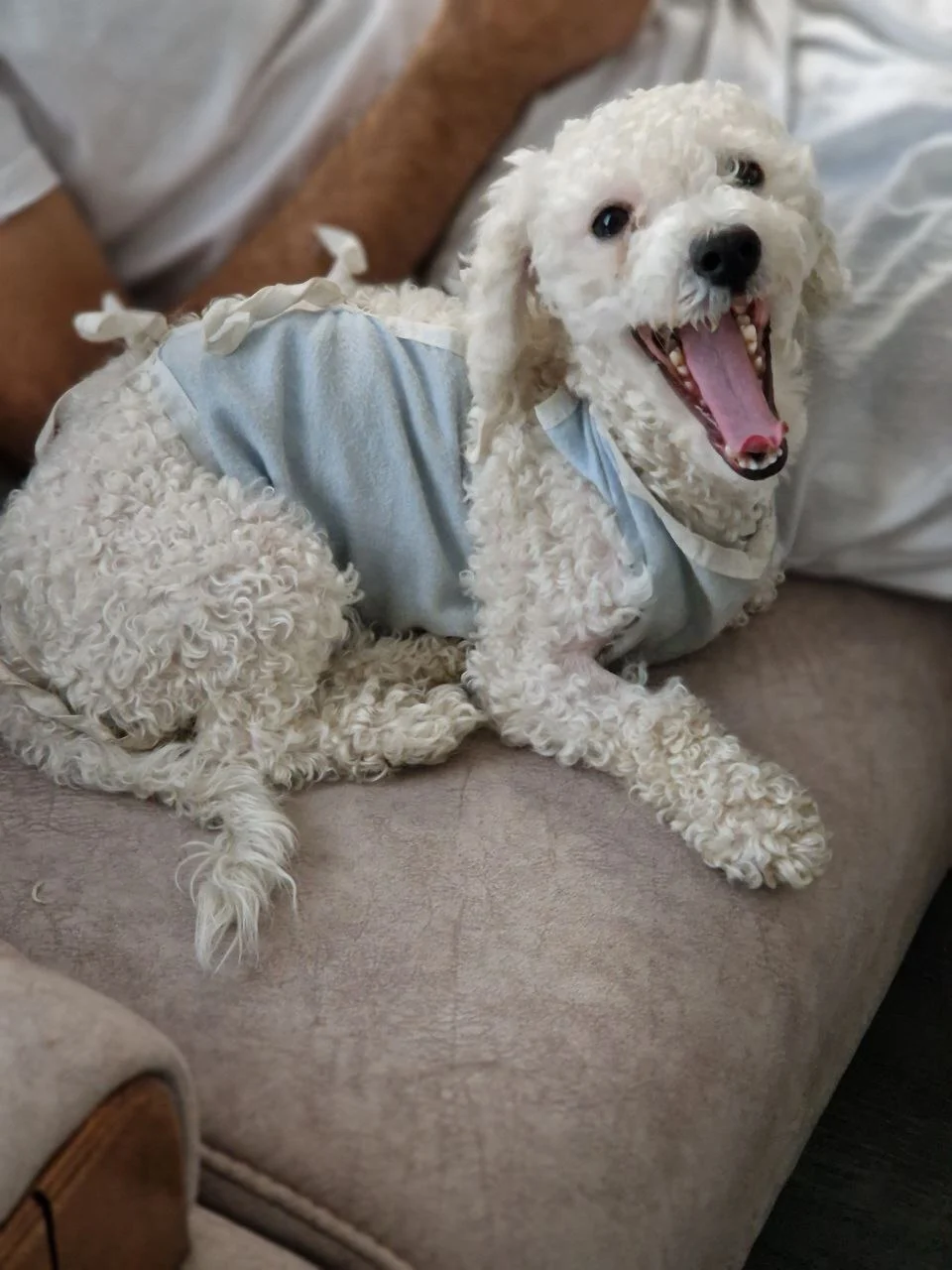
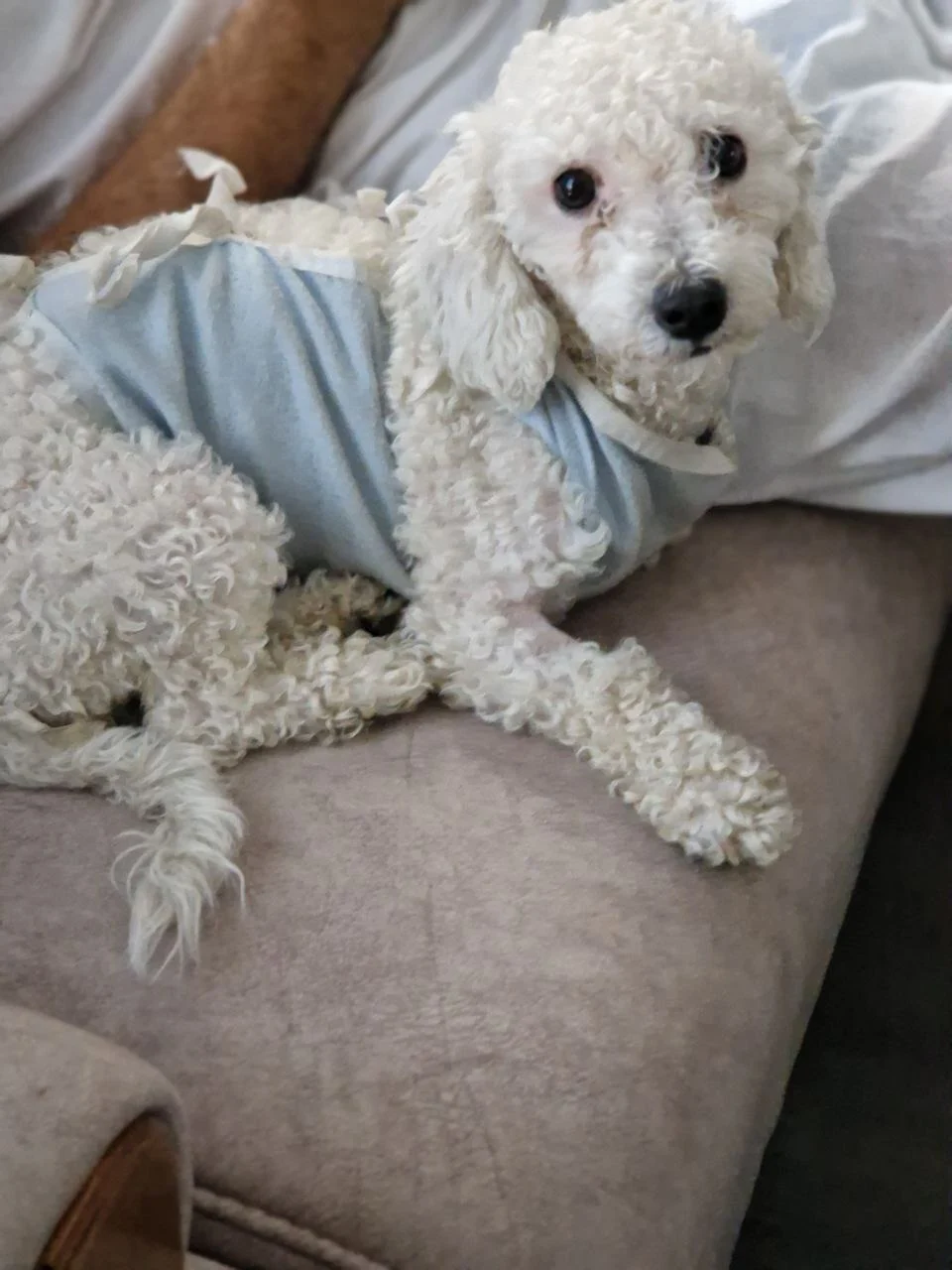
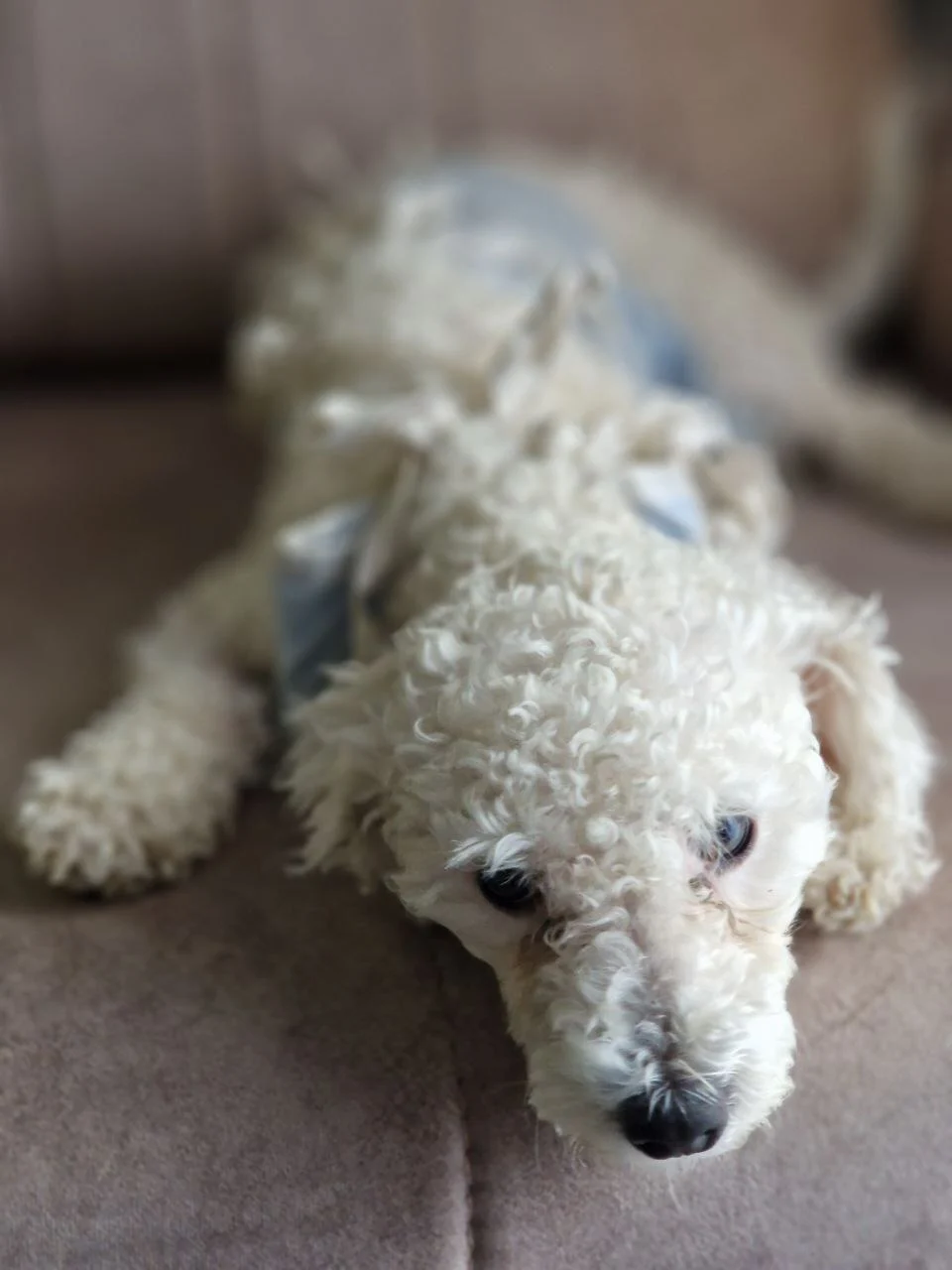
For a full week, we and Monica’s owners watched her closely. She was given a strict diet, easily digested food and quiet rest without strenuous activity. Gradually, she began eating again, took an interest in what was happening around her and returned to her usual energy. Today Monica is healthy, playing and enjoying life. We are very grateful to her owners for noticing the change quickly and patiently helping her recover.
Why a small object can be dangerous
A swallowed object can partially or completely block the gastrointestinal tract. Pressure and obstruction damage the intestinal wall. If a section is no longer viable, the surgeon removes it and reconnects the healthy ends. Some small, smooth objects can pass on their own, but a veterinarian must assess the risk and decide on treatment after examining the animal and reviewing the diagnostic findings. In Monica’s case, the apricot pit already required surgical treatment.
When you should not wait
- vomiting is repeated or does not stop;
- your pet refuses food and water;
- they are very lethargic, weak or getting worse quickly;
- their abdomen is painful, tense or swollen;
- you know or suspect that they swallowed something inedible.
These signs can have different causes, but when they occur together and the animal is deteriorating quickly, an in-person examination is needed. Monica’s story ended well in large part because her owners did not delay the trip to the clinic.
Contact Shunn u Katun: +374 55 895 495, 7 Tumanyan Street, Vanadzor. We are open Tuesday to Saturday, 11:00 to 19:00. If your pet is getting worse quickly and we are closed or not answering, go to the nearest open veterinary clinic.
Comments
No comments yet.