
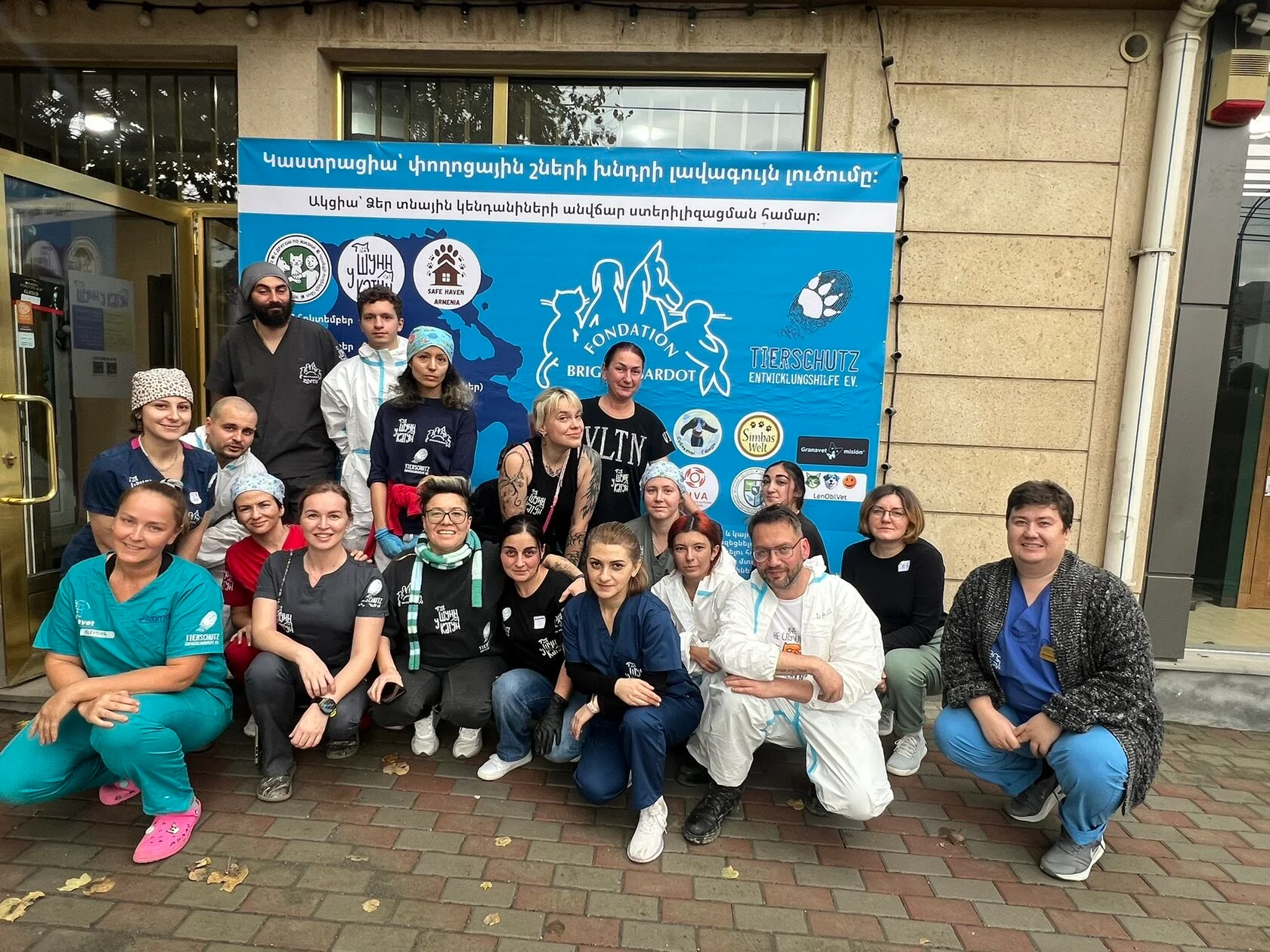
We have been working for three years. They have brought overnight emergencies, spay and neuter procedures, injuries, rescued animals and difficult conversations. Our commercial clinic is gradually taking on a social role too. More often, our decisions begin with an animal that needs help right now.
Why the clinic became a meeting point
We work in Vanadzor, where incomes are lower than in the capital and our prices are, on average, at least 30% below those in Yerevan. We do not see a large number of owned pets. At the same time, the clinic must replace equipment and buy modern medicines and supplies so that the quality of care does not fall.
We remain the only veterinary clinic in Lori. Over the past year, the clinic and the volunteer community have grown especially close. People now help here in whatever way they can: with donations, transport, foster care, information work or simply by staying beside someone who needs support.
Who our volunteers are
There is no single description of a volunteer. Some people see the dogs and cats in their neighbourhood every day and are the first to notice a wound or a disappearance. Others step in for one hour, but that hour decides whether an animal reaches a vet.
- They bring animals to appointments, collect them after surgery, find carriers and deliver medication.
- They provide foster care, clean surgical wounds, monitor appetite and tell us promptly when something changes.
- They manage lists and requests, take photographs, write and translate texts, and answer people while appointments are under way.
- They organise fundraisers and events, and buy food, absorbent pads and other supplies.
- They help in person by safely catching animals by prior agreement, accompanying them, holding them and keeping them calm.
- They support caregivers and take over communication when someone has run out of strength.
Why this help matters
Volunteers fill the most vulnerable gaps between the street, the appointment and recovery.
- An animal has to reach the clinic. Someone who can transport, hold and calm that animal safely becomes part of the team.
- Care continues after treatment. A wound may need cleaning, appetite needs watching, licking must be prevented, a fever needs to be noticed, and the caregiver must stay in touch with us.
- One veterinarian works at the clinic. During tick season and periods with more poisonings or injuries, volunteers help us respond to every urgent case in a heavy flow of requests.
Archibald and care after surgery
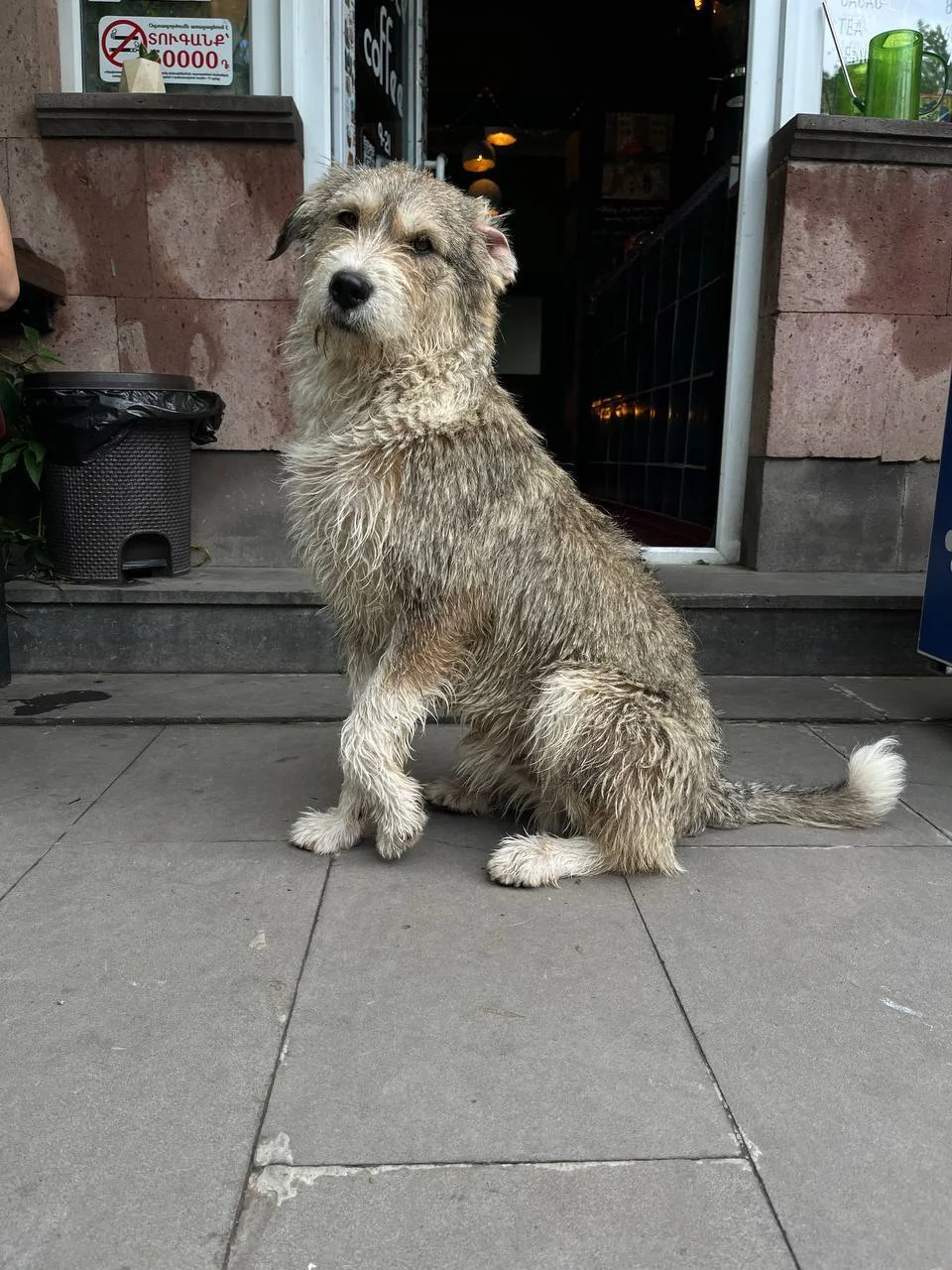
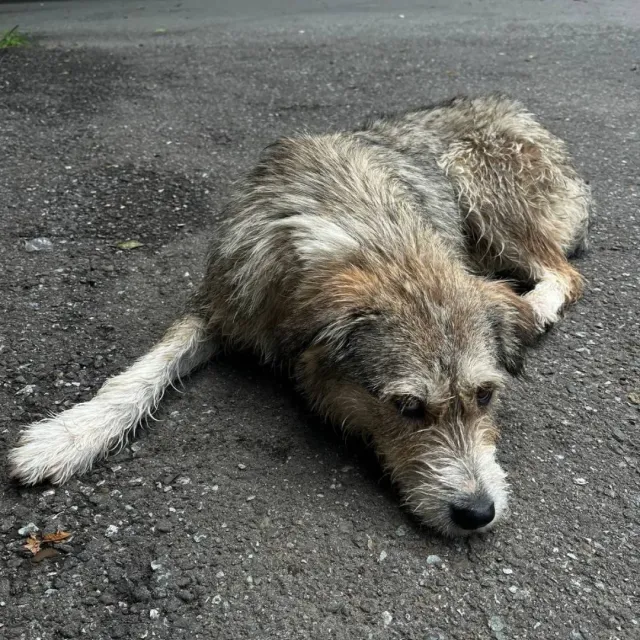
Archibald came to us wet, funny and remarkably trusting. We neutered him and, for an individual medical reason, removed a dewclaw that kept getting injured. His treatment cost AMD 56,000. The clinic covered part of the bill, friends paid another part, and the rest came from donations for homeless animals.
After leaving the clinic, Archibald went into foster care with a volunteer. He had warmth, proper food and someone watching his recovery. Archibald is now healthy and looking for a home.
When a dog has a name, a microchip and a caregiver
Our free vaccination and microchipping programme for homeless dogs begins with someone who knows an animal living near their home. The caregiver makes an appointment, brings the dog, helps during the examination and takes a photograph. We vaccinate and microchip the dog, then record its details and the caregiver's contact information in the database. The dog now has a person who takes responsibility and can help if something happens.
Two campaigns in 2025
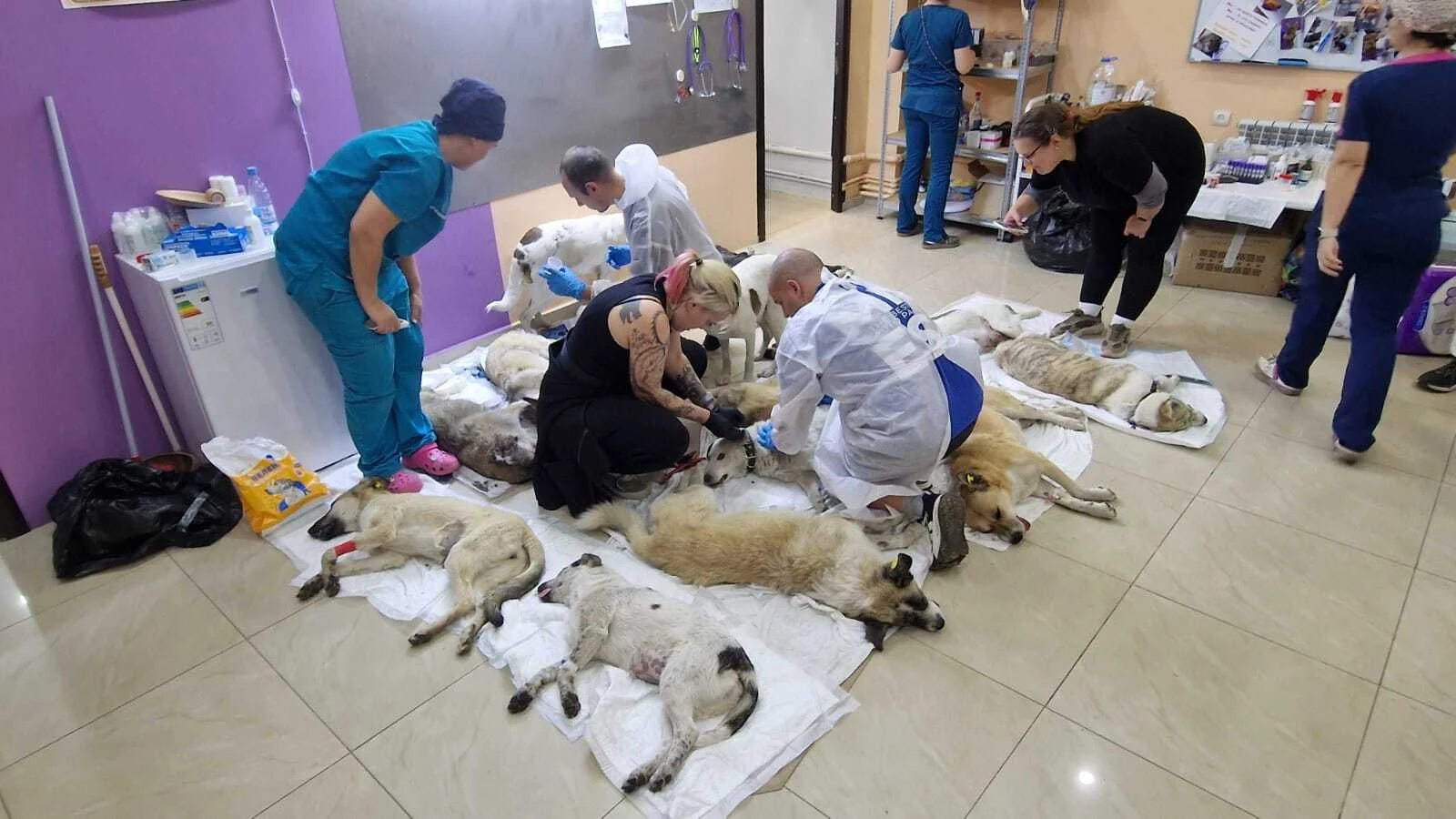
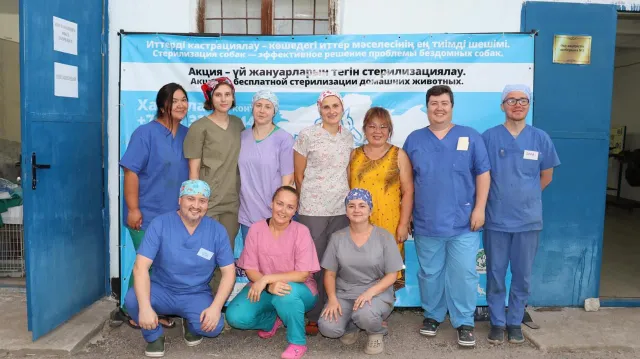
In spring 2025, we carried out 108 procedures, followed by another 204 in Vanadzor in the autumn. Behind every number was shared work by the clinic, volunteers and international foundations, along with supplies, lists, transport and foster care.
- Before surgery, volunteers prepared lists, welcomed people, managed the queue and transported animals from nearby districts.
- At the clinic, they handled carriers, passed clean pads, took photographs and helped keep the space clean.
- After anaesthesia, they made sure the animals stayed warm, then took responsibility for care, monitoring and contact with the clinic.
Our 2025 figures
These figures are approximate. We compiled them from our internal notes, calls and messages, while many volunteers simply help without recording every case.
- We received about 300 requests concerning homeless animals through volunteers and caregivers.
- Roughly half resulted in an appointment at the clinic. In the remaining cases, we provided advice, helped choose the next step or organised help where the animal was.
- About 40 cases were urgent, including injuries, suspected poisoning, serious skin conditions and complications after street fights.
- On more than 60 occasions, volunteers handled the entire journey to the clinic, collection after a procedure or return to the animal's familiar area.
- In almost every second case involving a homeless animal, a volunteer managed recovery for a day or two, and sometimes a week. This care reduces the risk of complications.
How to join us
We do not need heroes who try to do everything alone. We need people we can rely on. Tell us how you would like to help and how much time you have, and we will suggest a suitable role.
- One-time help: transport an animal, buy food or pads, take a photograph or share a post.
- Regular help: foster care, looking after animals in your neighbourhood, managing lists or joining a campaign.
- Material support: a donation towards treatment or supplies for the next campaign.
Clinic contacts
Message us on Telegram, call +374 55 895 495 or email info@shunnukatun.am. We are at 7 Tumanyan Street in Vanadzor, opposite Milagro restaurant. The clinic is open Tuesday to Saturday from 11:00 to 19:00, and closed on Sunday and Monday.
Thank you to everyone who gives animals their time, effort and patience. If you are still considering joining, start with a simple question: what help is needed today?

Comments
No comments yet.