
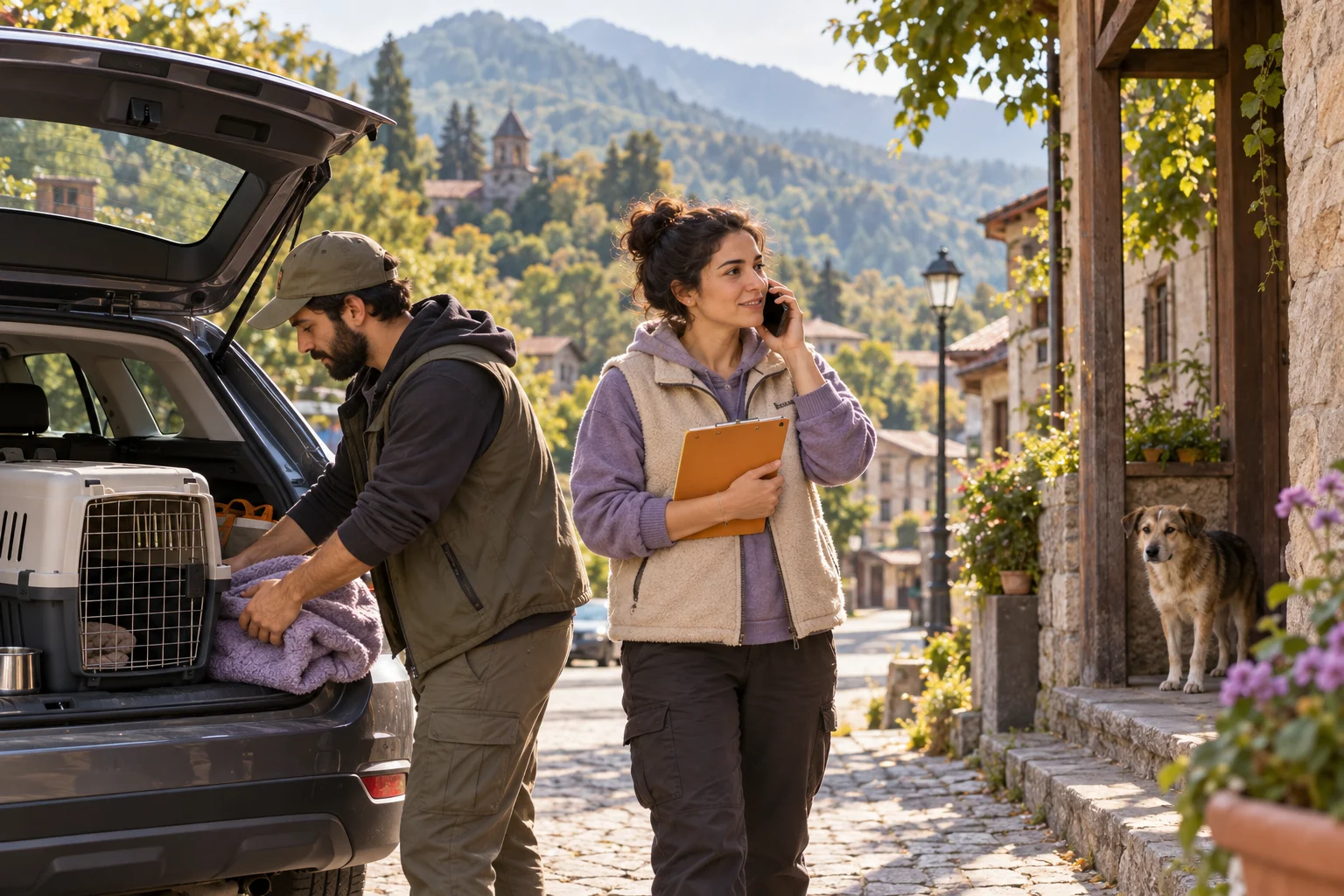
The third interview is with Haykuhi Minasyan of the Dilijan Care community. At the interview date, its work focused on Tavush Province, especially Dilijan and nearby villages, and depended on people who could act locally.
What helps a case move forward
- Without panicking, record the exact location, time, a short video and observable signs.
- Start looking for a car and call a clinic immediately.
- Stay reachable: help load the animal, share the fundraiser and, if possible, take on some aftercare.
- Armenian was easiest for Haykuhi, but she also replied to Russian and English messages.
- Contacts at the interview date: Haykuhi Minasyan — Telegram @Minasich; community channel — @dilicare; chat — @DilijanCare.
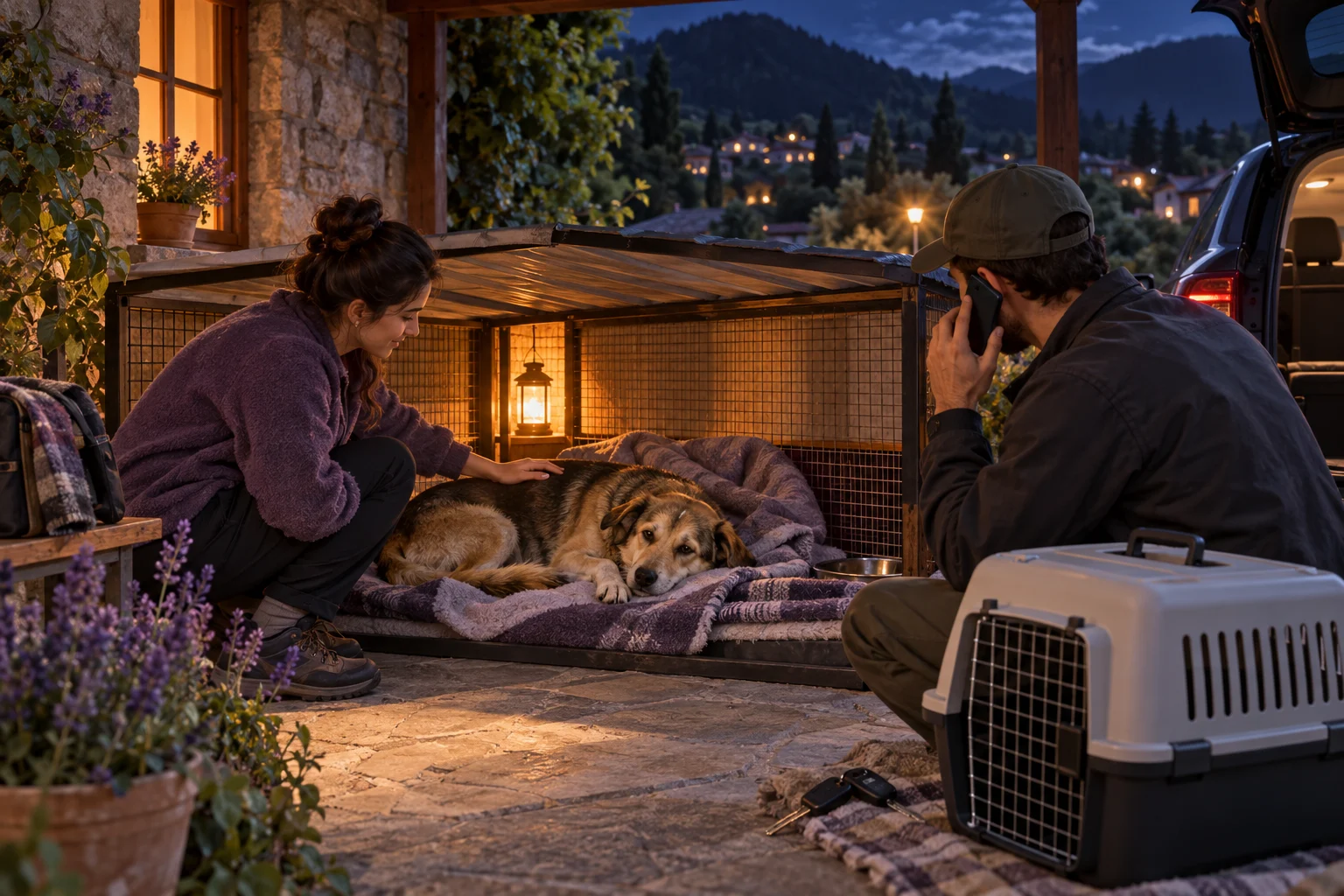
Night-time care, fundraising and hard decisions
When there are no emergency signs, a safe temporary space, first aid specifically advised by a vet, a ready car and a clinic plan for the morning can bridge the gap. A personal bank card can raise questions, but it may be the only tool available; transparent income and expense records are then essential.
- A useful request includes video, an exact point, time, contact details and a person who stays nearby.
- Sending “please help” and disappearing leaves the team without the animal, the location or answers.
- Haykuhi described trust built with familiar clinics, including Paws Pet Medical Center, Shunn u Katun and Oscar Vet. This reflects her experience, not a promise of preferential care.
- In a dangerous case, immobilisation must be decided with a veterinarian and a trained specialist. Do not use sedatives yourself.
- Her principle was to look for a real chance to help before making any irreversible decision without veterinary assessment.
This is Part 4.3
The two preceding interviews are with Dingo Team and Adel Foundation. Together they show that help almost always requires a person on site, transport and reliable communication.
Comments
No comments yet.