
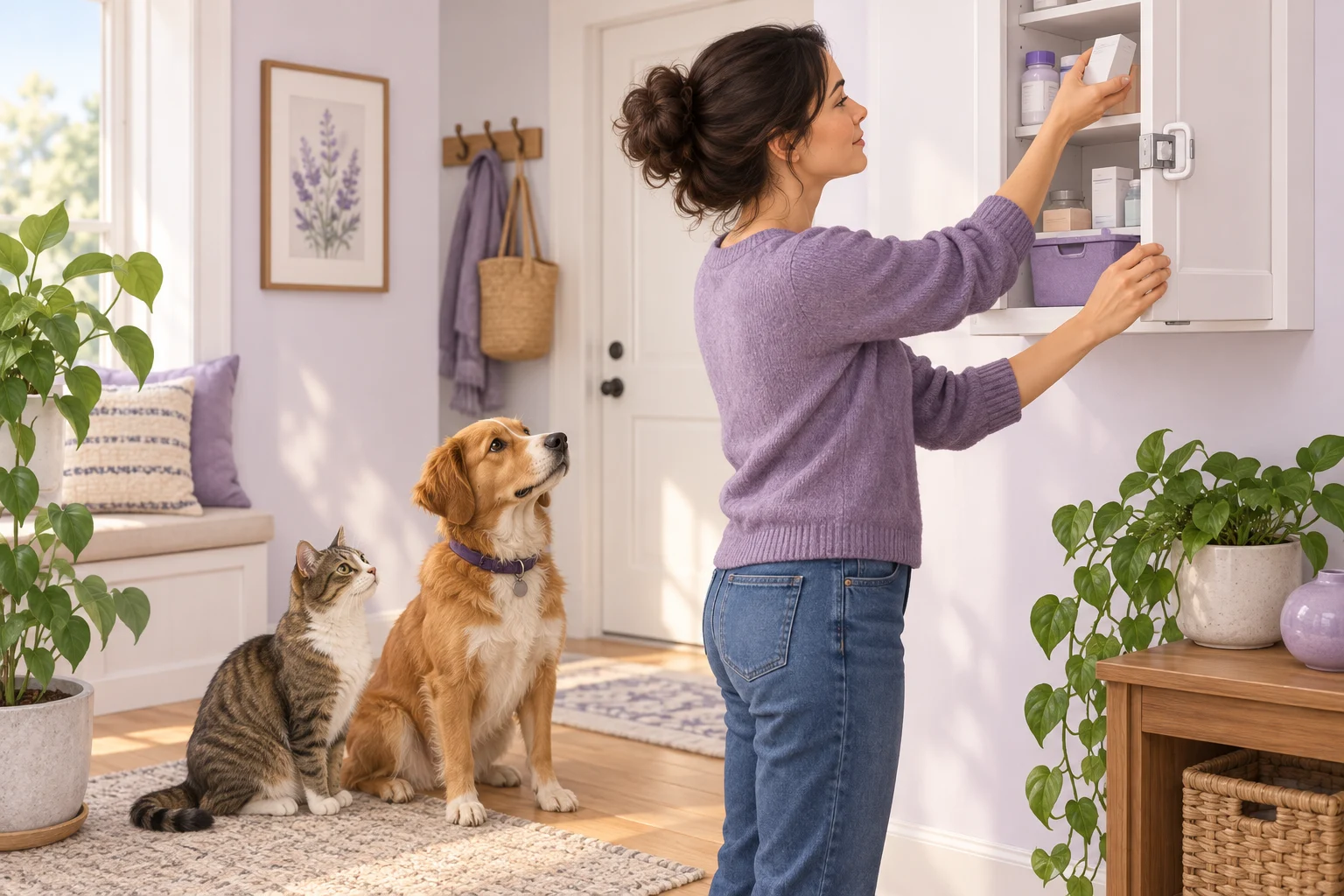
A tablet can hit the floor in a second. A tube of cream gets left on a bedside table. A cat brushes against treated skin and later grooms its coat. A pet can be exposed to human medicine even when nobody meant to treat the animal. Here are the names worth knowing and the steps to take straight away, before symptoms begin.
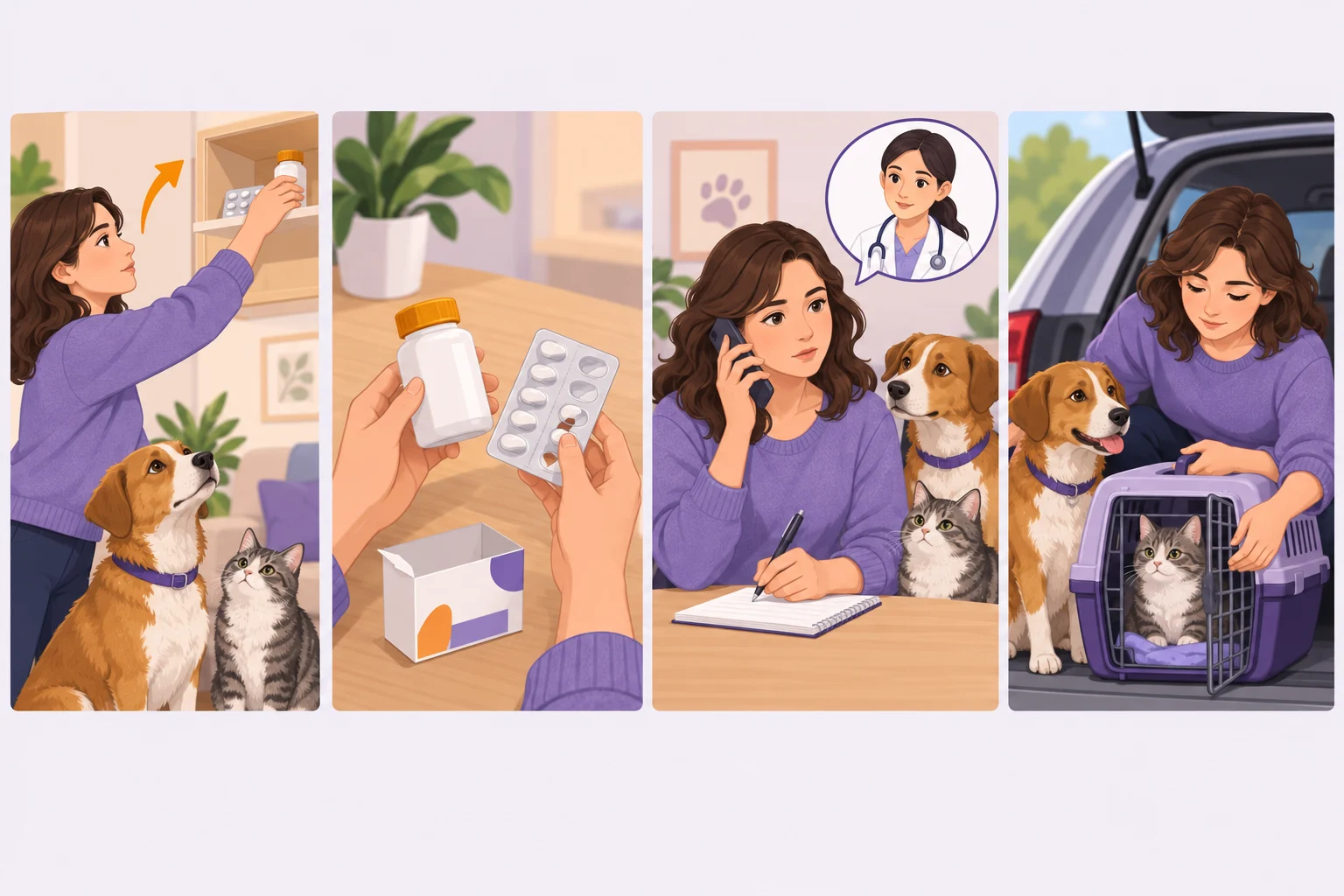
We know how frightening it is to find a chewed blister pack beside your pet. Try not to spend the first few minutes calculating a “toxic dose” online. The veterinarian needs the exact product name and strength, your pet’s weight and the time of exposure as soon as possible.
Why there is no safe “small human dose”
Tablet size is only one part of the risk. The active ingredient, strength, extended-release formulation, animal’s species and weight, existing disease and other medicines all matter. Cats and dogs process many substances differently from people and from each other. A dose that is safe for a person cannot simply be divided or scaled by body weight.
Veterinarians do prescribe some human medicines to animals. That does not make a packet from the household medicine cabinet safe by default. The vet chooses a specific ingredient, formulation, dose and course for one patient. A product that appears to be “the same medicine for people” may have a different strength or an added active ingredient.
Painkillers and fever medicines
Paracetamol, or acetaminophen
Look for paracetamol or acetaminophen on the label. Tylenol is one familiar brand of acetaminophen. Paracetamol is also present in combination cold remedies, so the name on the front of a packet may not reveal it at first glance.
Paracetamol is especially dangerous to cats. It damages red blood cells and reduces their ability to carry oxygen. Liver injury, swelling of the face or paws, breathing difficulty, weakness, vomiting, and blue or muddy-brown gums can follow. Liver injury is more common in dogs, although blood damage is also possible. A veterinarian may use paracetamol in selected treatment plans for dogs. It must never be given to a cat at home.
Ibuprofen, naproxen, diclofenac and other NSAIDs
This group includes:
- ibuprofen, including Advil, Motrin, Nurofen and products labelled ibuprofen;
- naproxen, including Aleve, Naprosyn and products labelled naproxen;
- diclofenac, including Voltaren and other diclofenac tablets or gels;
- ketorolac, including products labelled ketorolac and the familiar brand names Ketorol and Ketanov;
- acetylsalicylic acid, or aspirin;
- celecoxib, indomethacin, piroxicam and other human non-steroidal anti-inflammatory drugs.
These medicines can cause vomiting, abdominal pain, gastrointestinal ulcers and bleeding, as well as acute kidney injury. Larger doses can lead to weakness, poor coordination, seizures and coma. Cats are particularly sensitive to NSAIDs. Aspirin is sometimes part of a veterinary treatment plan, but cats clear it slowly and an error in dose or frequency can be dangerous.
One adult tablet is not the same dose for a Labrador and a kitten. For a small animal, a single tablet of some products may be enough to cause serious poisoning. A veterinarian should calculate the risk and decide whether home observation is appropriate.
Cold, allergy and decongestant products
Combination powders, syrups and tablets often contain several active ingredients. Alongside paracetamol or an NSAID, they may contain pseudoephedrine or phenylephrine. These decongestants appear in products such as Sudafed and on labels marked pseudoephedrine or phenylephrine.
An overdose can cause severe agitation, dilated pupils, tremors, vomiting, high temperature, a rapid heartbeat, high blood pressure, abnormal heart rhythms and seizures. Signs can sometimes continue for several days.
Antihistamines such as diphenhydramine, chlorpheniramine, promethazine, loratadine and dimenhydrinate should not be treated as harmless “allergy tablets”. Veterinarians use some of them for specific reasons, but an overdose may cause sedation or agitation, rapid breathing and heartbeat, poor coordination, tremors, fever and seizures. A combination product may pair the antihistamine with a much more dangerous decongestant or painkiller.
Antidepressants, sleep medicines and ADHD drugs
The exact active ingredient is particularly important in this group:
- antidepressants, including fluoxetine (Prozac), sertraline (Zoloft), venlafaxine (Effexor), bupropion (Wellbutrin), amitriptyline, paroxetine and citalopram;
- sleep and anxiety medicines, including zolpidem (Ambien), diazepam, alprazolam, clonazepam and other benzodiazepines;
- ADHD stimulants, including mixed amphetamine salts (Adderall), lisdexamfetamine (Vyvanse) and methylphenidate (Ritalin, Concerta).
A reaction may begin with sleepiness or agitation and progress to disorientation, unusual vocalisation, tremors, high temperature, changes in blood pressure or heart rhythm, and seizures. Serotonin syndrome can combine agitation, muscle tremors or spasms, a high temperature and cardiovascular changes. Do not wait for the full set of signs to appear.

Heart medicines, muscle relaxants and diabetes drugs
Beta blockers such as atenolol, metoprolol and propranolol, and calcium channel blockers such as amlodipine, diltiazem and verapamil, can sharply alter heart rate and blood pressure. Signs may include weakness, vomiting, pale gums, unsteadiness, collapse, abnormal heart rhythms and seizures. ACE inhibitors, including enalapril, lisinopril and captopril, have a different safety margin but can still cause dangerous low blood pressure and secondary kidney injury after an overdose. Some of these drugs are also used in veterinary medicine, at a carefully calculated dose.
Baclofen, tizanidine, cyclobenzaprine and other centrally acting muscle relaxants depress the nervous system. Baclofen has a narrow margin of safety. Swallowing it can cause drooling, vomiting, weakness, loss of coordination, disorientation, seizures, flaccid paralysis and respiratory depression. Any baclofen ingestion warrants an urgent call to a veterinarian.
Sulfonylurea drugs such as glipizide, glibenclamide (glyburide) and glimepiride stimulate insulin release and can cause prolonged hypoglycaemia. Signs include weakness, tremors, unsteadiness, unusual behaviour, seizures and loss of consciousness. Metformin works differently. Accidental exposure in animals more commonly causes vomiting, diarrhoea, lethargy, low temperature and low blood pressure; severe poisoning can lead to lactic acidosis and hypoglycaemia. “Diabetes medicine” is not a precise enough description. The veterinarian needs a photograph of the whole package.
Creams, foams and patches can also be fatal
Fluorouracil, or 5-FU, is present in prescription creams and solutions used for some human skin conditions. A label may say fluorouracil, Efudex, Tolak, Carac or Fluoroplex. Even a small amount swallowed from a chewed tube or licked from treated skin can cause severe vomiting, bloody diarrhoea, tremors, seizures, poor coordination, bone marrow damage and death. Every exposure needs immediate care.
Minoxidil, also known by the brand name Rogaine, is sold as a liquid or foam for hair growth. A pet may lick a drop, treated skin or a contaminated pillowcase. Exposure can cause low blood pressure, a rapid heartbeat, low body temperature, weakness and fluid around the lungs or in the chest. Cats are especially vulnerable to small household exposures.
Calcipotriene, also called calcipotriol, in psoriasis creams can cause dangerously high blood calcium and kidney injury. Gels containing diclofenac or other NSAIDs can be swallowed when a pet licks human skin or contaminated fur. Lidocaine creams and patches, as well as used patches containing potent drugs, must also stay out of reach.
What to tell the veterinarian
Gather this information even if your pet still looks normal:
- The animal’s species, weight and age.
- The exact product name, every active ingredient and the strength, such as milligrams per tablet or the percentage shown on a tube.
- The number of tablets or drops, or the amount of cream, that may be missing. Say clearly if the amount is unknown.
- The time of exposure and any signs that have already appeared.
- Existing diseases and medicines your pet currently receives.
Photograph the front and back of the package. Bring the blister pack, bottle, tube or patch, even if it has been chewed. Do not throw away the remains before speaking to the veterinarian.
Signs that require an immediate trip
After a possible medicine exposure, travel to a clinic immediately if your pet has seizures, loses consciousness, becomes suddenly weak or collapses, struggles to breathe, vomits repeatedly, has blood in vomit or stool, becomes severely agitated, trembles, walks unsteadily, has an unusually slow or fast heartbeat, develops blue or muddy-brown gums, or has swelling of the face or paws.
No symptoms does not mean the danger has passed. Extended-release products may release an ingredient slowly, while kidney, liver or bone marrow injury may become visible later. An early call gives the veterinarian more options to help.
Make the household medicine cabinet safer
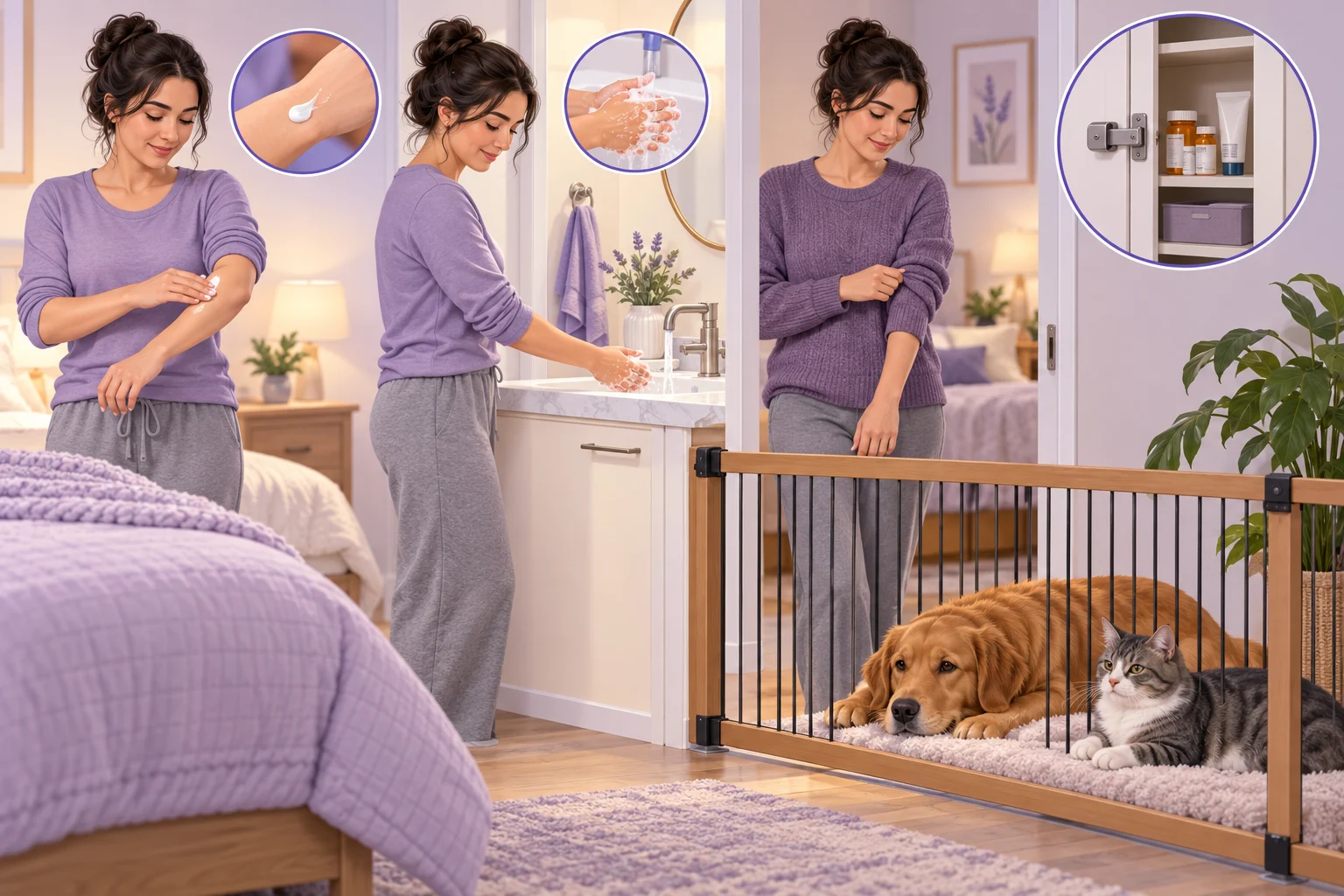
- Keep human and veterinary medicines apart, in their original labelled packaging and inside a latched cabinet. An open high shelf will not stop a cat, and a plastic bottle will not stop a dog’s teeth.
- Do not leave tablets in a handbag, pocket, bedside organiser or near the bed. Ask visitors to secure their medicines too.
- If a tablet falls, find it before letting your pet back into the room. Do not rely on the idea that a cat or dog “does not like bitter things”.
- After applying a cream, foam or solution, wash your hands, put the package away, prevent licking and follow your clinician’s advice about covering the treated area.
- Put used patches, applicators and empty tubes in a closed bin that pets cannot reach.
Other household poisons need the same calm preparation. If rodent control products are used at home or outdoors, check how to keep pets away from rat and mouse bait. Before bringing home a bouquet or potted plant, review the list of plants that can harm cats and dogs.
Contact the clinic
Shunn u Katun: +374 55 895 495, 7 Tumanyan Street, Vanadzor. We are open Tuesday to Saturday from 11:00 to 19:00. If your pet needs urgent help and we are closed or not answering, go to the nearest open veterinary clinic.
Sources
- FDA · Get the Facts about Pain Relievers for Pets
- Merck Veterinary Manual · Toxicoses From Human Analgesics in Animals
- Merck Veterinary Manual · Poisoning from Human Over-the-Counter Drugs
- Merck Veterinary Manual · Toxicoses in Animals From Human Antidepressants, Anxiolytics, and Sleep Aids
- Merck Veterinary Manual · Toxicoses in Animals From Cardiovascular Medications
- Merck Veterinary Manual · Toxicoses From Skeletal Muscle Relaxants in Animals
- Merck Veterinary Manual · Toxicoses in Animals From Amphetamines and ADHD Drugs
- Merck Veterinary Manual · Toxicosis in Animals From Human Topical Agents
- FDA · Don’t Expose Pets to Prescription Topical Fluorouracil Medicine for People
- FDA · Properly Store Medications to Keep Your Pet Safe
- Cornell University College of Veterinary Medicine · First-aid for poisonous substances
- Journal of Veterinary Emergency and Critical Care · Hypoglycemia and severe lactic acidosis in a dog following metformin exposure
- Journal of the American Animal Hospital Association · Topical Minoxidil Exposures and Toxicoses in Dogs and Cats: 211 Cases


Comments
No comments yet.