
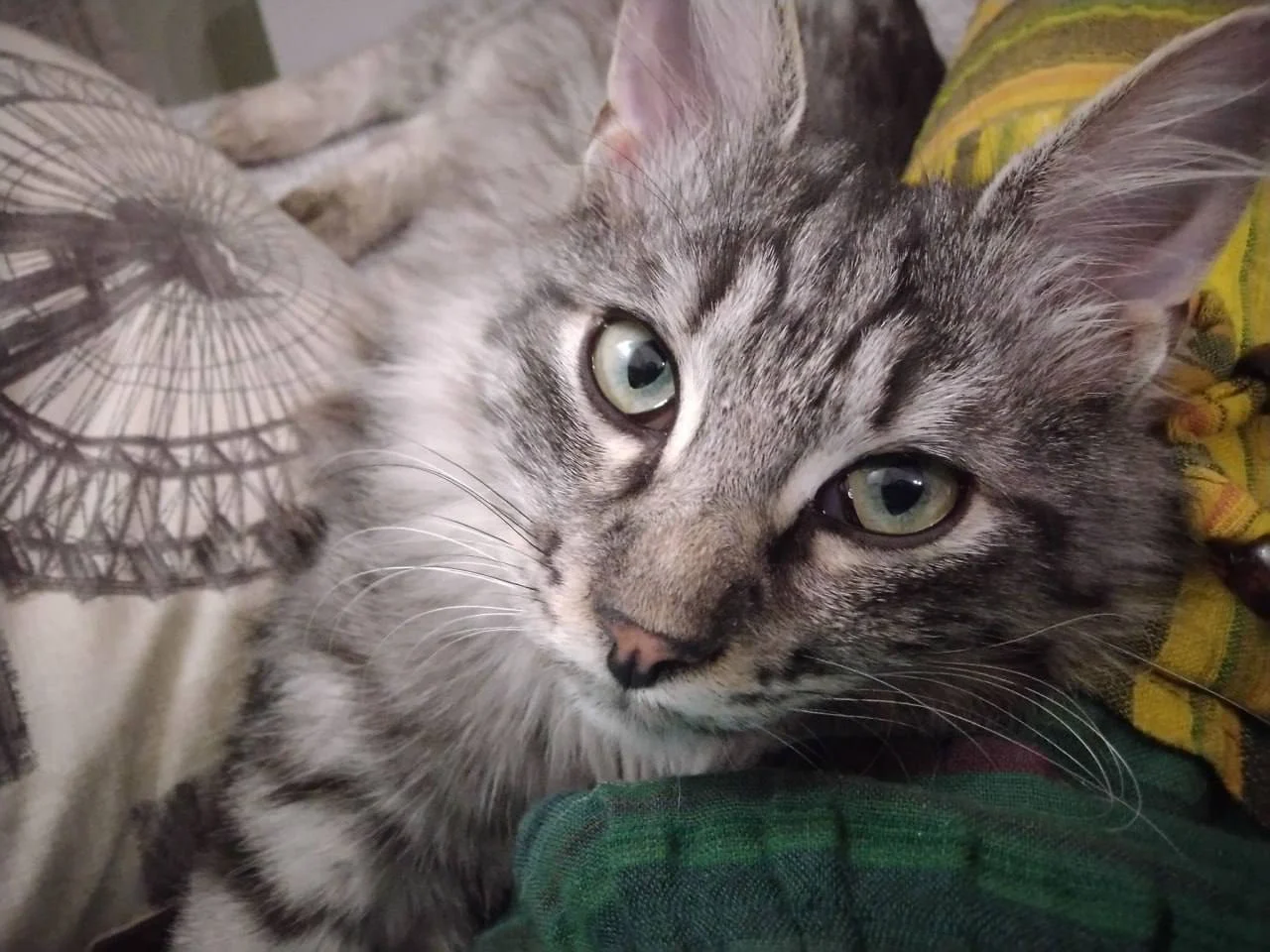
When a cat suddenly becomes weak and keeps vomiting, it is tempting to look for a simple explanation: something they ate, perhaps a hairball. With intestinal ischemia, waiting is dangerous. Part of the bowel loses its supply of blood and oxygen, and the tissue begins to die. The longer this continues, the greater the risk of necrosis, perforation and peritonitis. The condition is uncommon in cats, but it can quickly become life-threatening.
Warning signs that should not be ignored
- repeated or persistent vomiting, sometimes with blood;
- a sudden refusal to eat;
- lethargy, weakness or a rapidly worsening condition;
- a painful, tense or swollen abdomen;
- diarrhoea, which may contain blood.
If your cat is getting worse, repeated vomiting needs veterinary assessment. Do not put it down to ordinary gastritis or a hairball.
Why the blood supply can fail
Ischemia is damage caused by insufficient blood flow. Several problems can cause it in cats and other small animals:
- a clot or embolus blocking a vessel that supplies the bowel; in cats, thromboembolism can sometimes be associated with heart disease;
- strangulation of the bowel due to volvulus, intussusception or an obstruction;
- abdominal trauma that damages blood vessels;
- severe local damage, such as a perforating ulcer or necrotising inflammation;
- damage to intestinal blood vessels during a medical procedure.
How a vet investigates the cause
The vet considers the animal's condition together with laboratory tests and diagnostic imaging. X-rays and ultrasound can reveal an obstruction, abnormal bowel loops, free abdominal fluid and other signs of an acute abdomen. Standard ultrasound may show only non-specific changes and cannot rule out ischemia. Some clinics can assess blood flow with contrast-enhanced ultrasound or CT. In some cases, the viability of the bowel can only be judged reliably during surgery.
Treatment and recovery
Treatment depends on the cause and whether the tissue is still viable. The animal may need intravenous fluids, correction of electrolyte abnormalities, pain relief and close monitoring. If a section of bowel is already non-viable or perforated, the surgeon removes it and reconnects the healthy ends. This is called intestinal resection and anastomosis. Medication cannot restore tissue that has already died.
The first few days after surgery need especially close observation. The team monitors pain, temperature, appetite, vomiting, bowel function and signs of leakage from the surgical site. The outlook depends on the cause of the ischemia, the extent of the damage, the animal's general condition and how quickly care begins.
Kevin's story
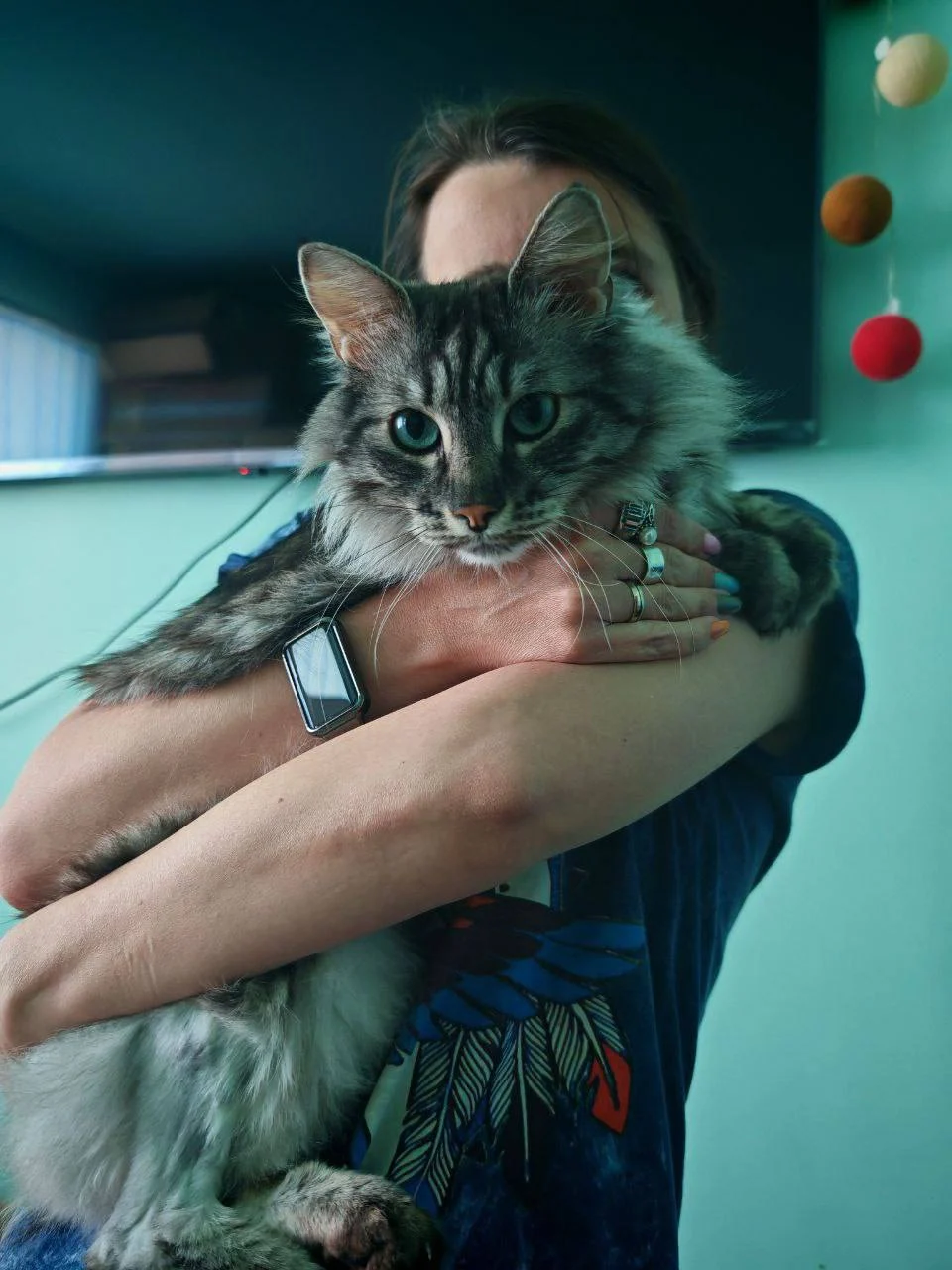
In February 2025, Tatiana travelled from Gyumri to the clinic with her cat Kevin. Usually active and curious, Kevin had vomited several times, twice with blood. He stopped eating, became lethargic and was rapidly losing strength. Tatiana did not wait and took him straight to a vet.
Kevin’s gums were still pink during the examination, but his breath had an unusual smell. Ultrasound showed changes in his stomach, intestines and liver. At first, the findings could have suggested gastritis, but Kevin was getting worse. We decided to perform an exploratory laparotomy so we could examine the abdominal organs directly during surgery.
During surgery, we found about eight centimetres of small intestine with no blood supply. The tissue had already begun to die. We removed the damaged section and joined the healthy ends. We explained to Tatiana that although the operation was over, Kevin still faced a difficult recovery and needed close monitoring because the risk of complications was high.
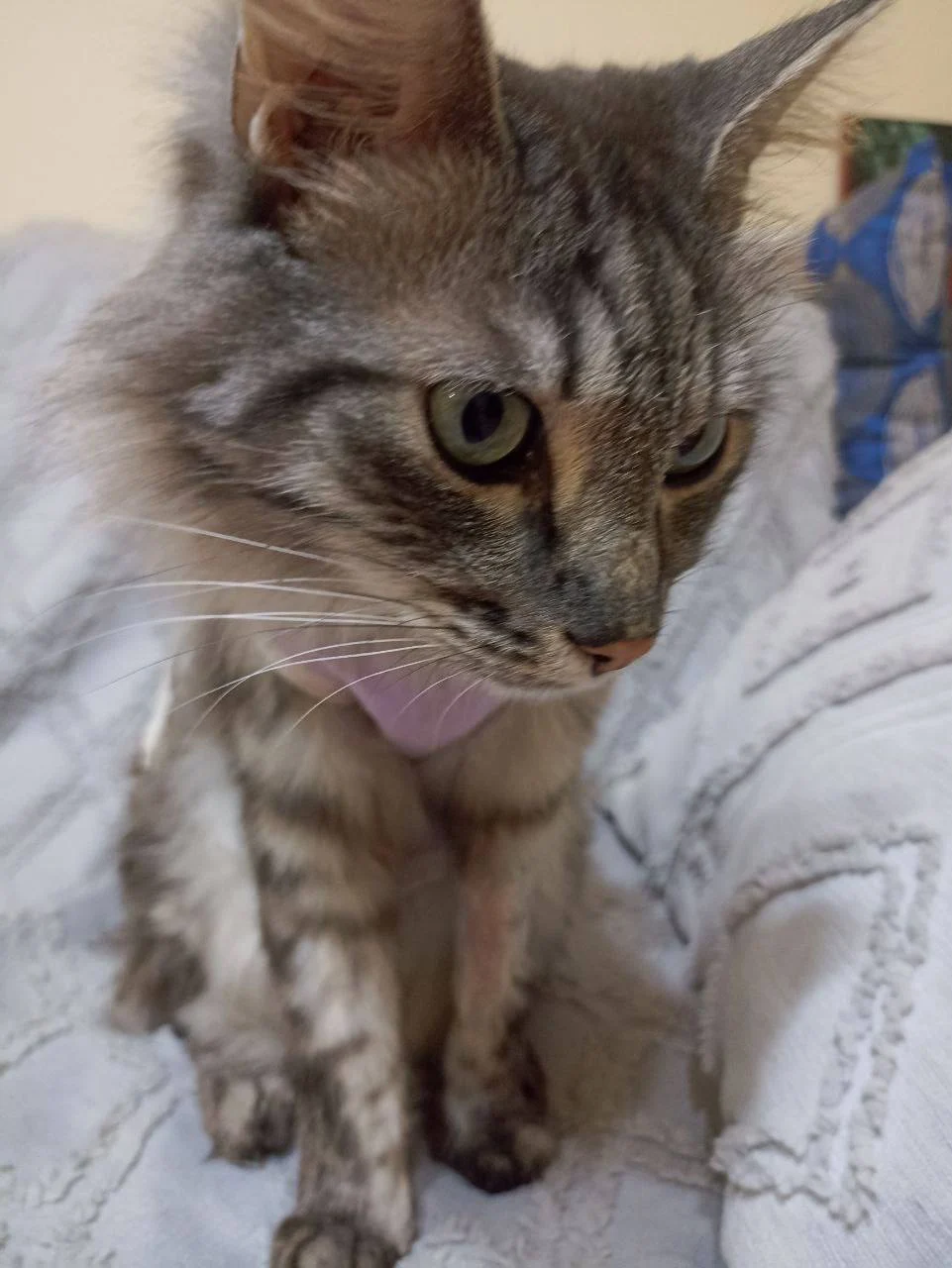
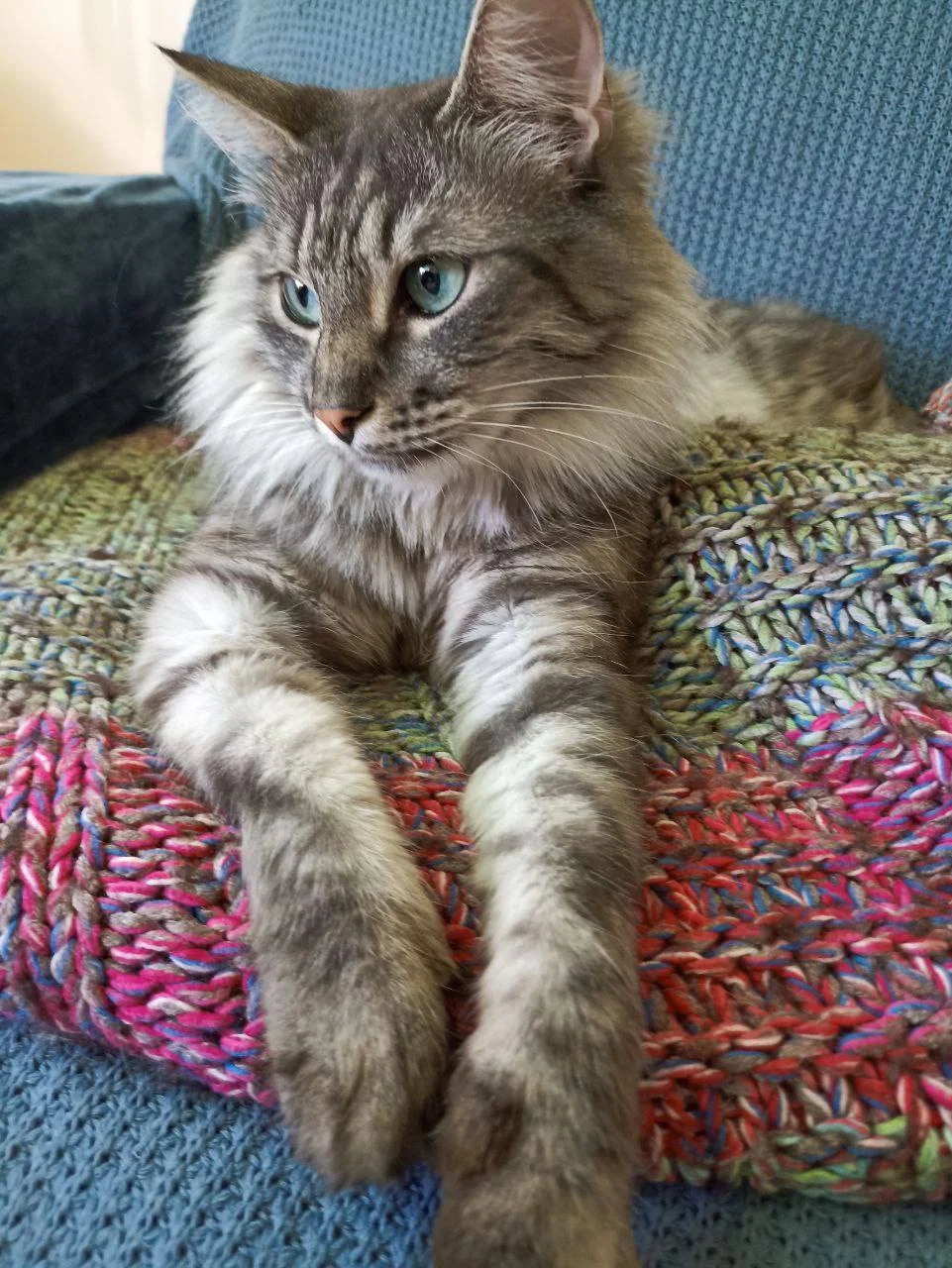
The first few days were anxious ones. We watched Kevin closely and were glad to see him trying to eat again and reaching towards Tatiana. His strength gradually returned. Today, Kevin is feeling well again.
What to remember
Tatiana did not wait, which helped us examine and operate on Kevin in time. Please do the same if your pet keeps vomiting, there is blood, their abdomen hurts or they are rapidly losing strength. Your pet needs an in-person examination. Do not delay the trip while waiting for a reply to a message.
Contact Shunn u Katun: +374 55 895 495, 7 Tumanyan Street, Vanadzor. We are open Tuesday to Saturday, 11:00 to 19:00. If your pet is getting worse and we are closed or not answering, go to the nearest open veterinary clinic.
Sources
- Journal of Feline Medicine and Surgery · Intestinal ischaemia in four cats
- Veterinary Radiology & Ultrasound · Acute mesenteric ischemia in a cat
- MSD Veterinary Manual · Gastrointestinal obstruction in small animals
- American College of Veterinary Surgeons · Gastrointestinal foreign bodies
- Cornell University College of Veterinary Medicine · Emergency and critical care
Comments
No comments yet.